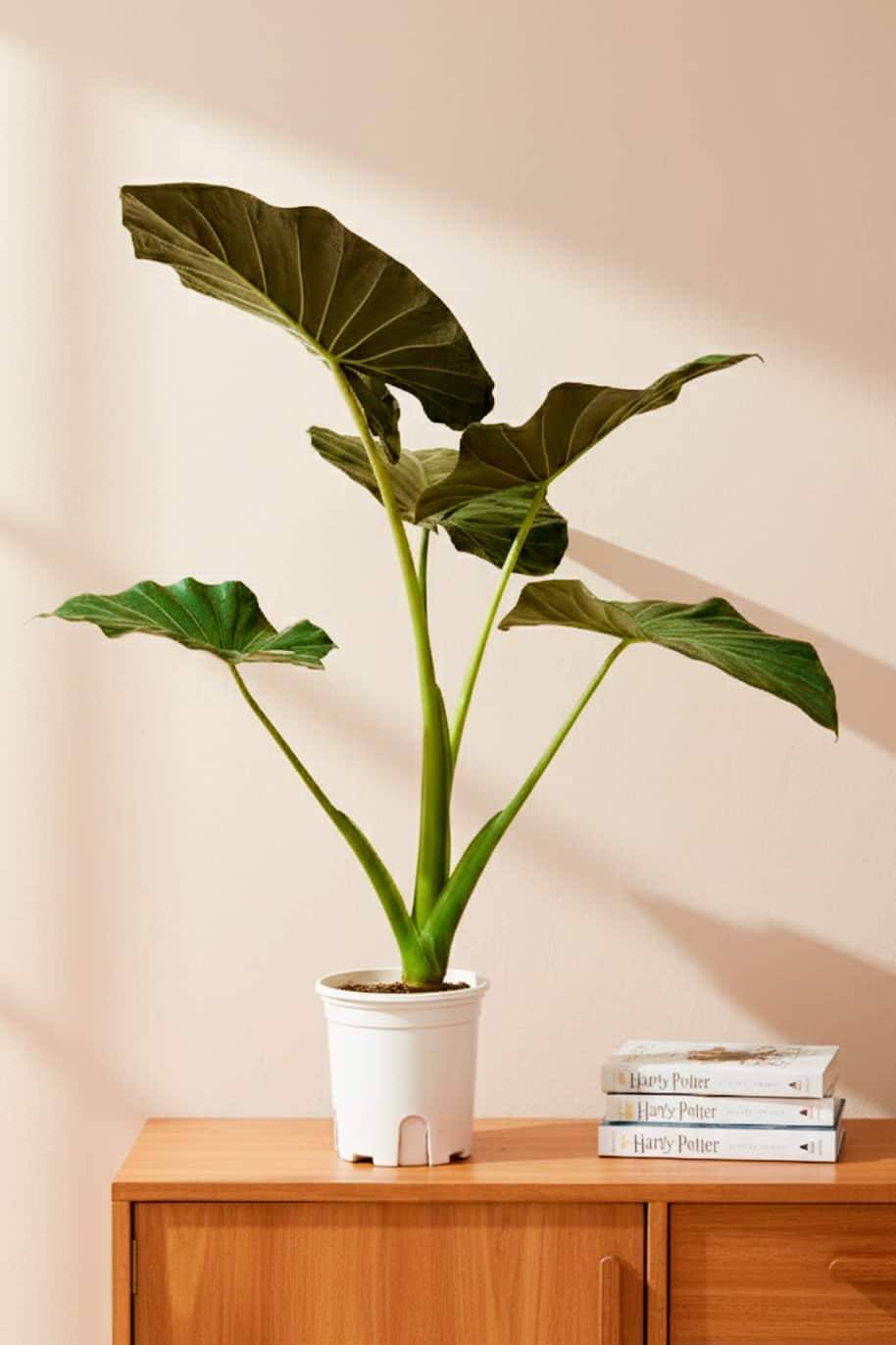
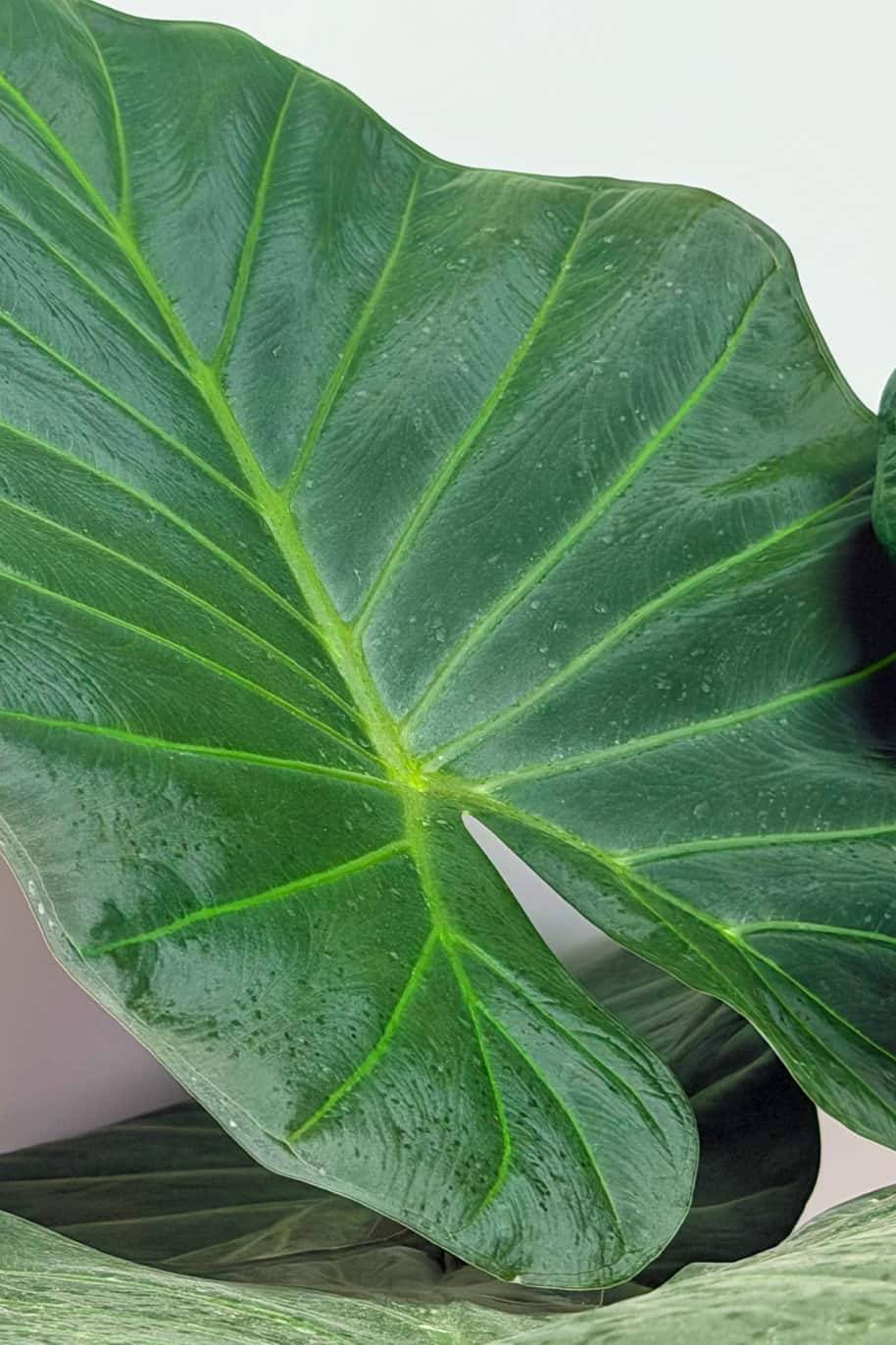
Watering
Wet the seed starting mix. Push your finger into the soil to your first knuckle and make sure it is damp. Excess water should drain through.
Dismiss



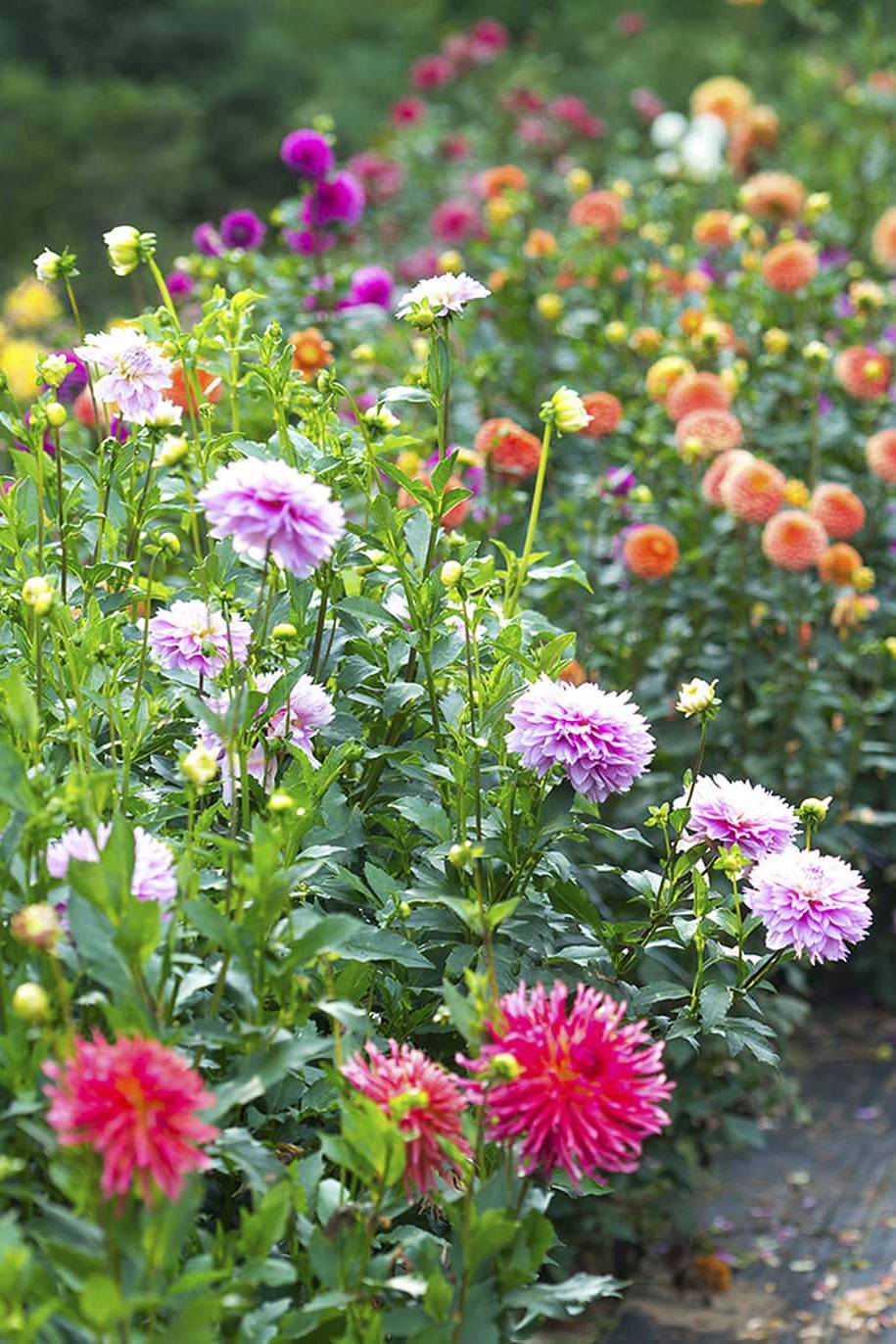
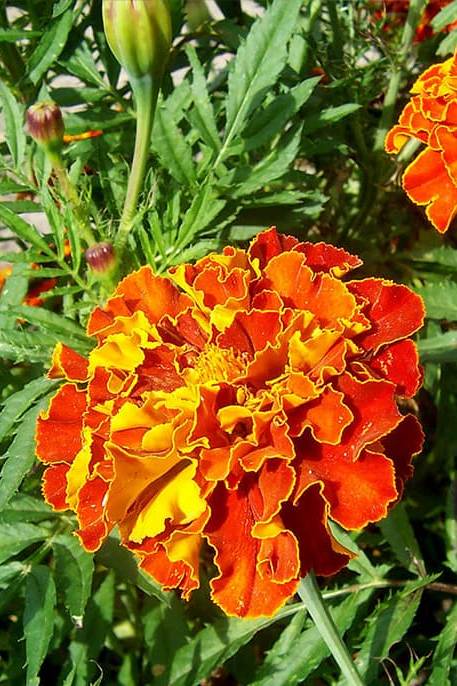
Tagete Alta Doppia
SKU 5846
Wet the seed starting mix. Push your finger into the soil to your first knuckle and make sure it is damp. Excess water should drain through.
Indirect sunlight, 6 to 8 hours
Maintain temperatures between 18°C - 24°C. Avoid draughts as these can create undesirable temperature fluctuations. Consider giving your plant an occasional misting twice every week to maintain the optimum humidity level.
Provide fertilizer once the first true leaves emerge. The first set of leaves that appear are known as the seed leaves. The second set of leaves are the first ‘true leaves,’ and a sign that your plant is getting mature and ready for serious growth. Dilute a balanced fertilizer to ¼ the strength recommended. Fertilize once in 2 weeks.
Product Bio
Dahlias are beautiful, vibrant flowering plants that come in a wide range of colors and forms. The Decorative Mix includes varieties known for their large, showy blooms and lush foliage. Here is a detailed description and care guide for sowing, germination, and growing conditions for Dahlia Decorative Mix seeds:
Description:
Foliage: Dahlias have lush, green, pinnate leaves with serrated edges. The foliage is typically dense and provides a lovely backdrop to the striking flowers.
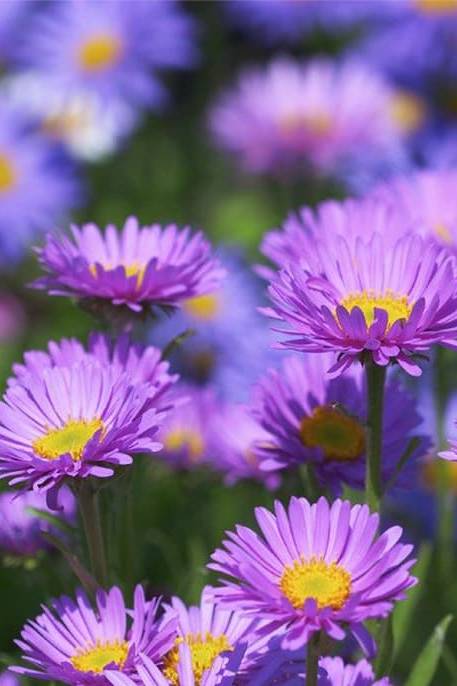
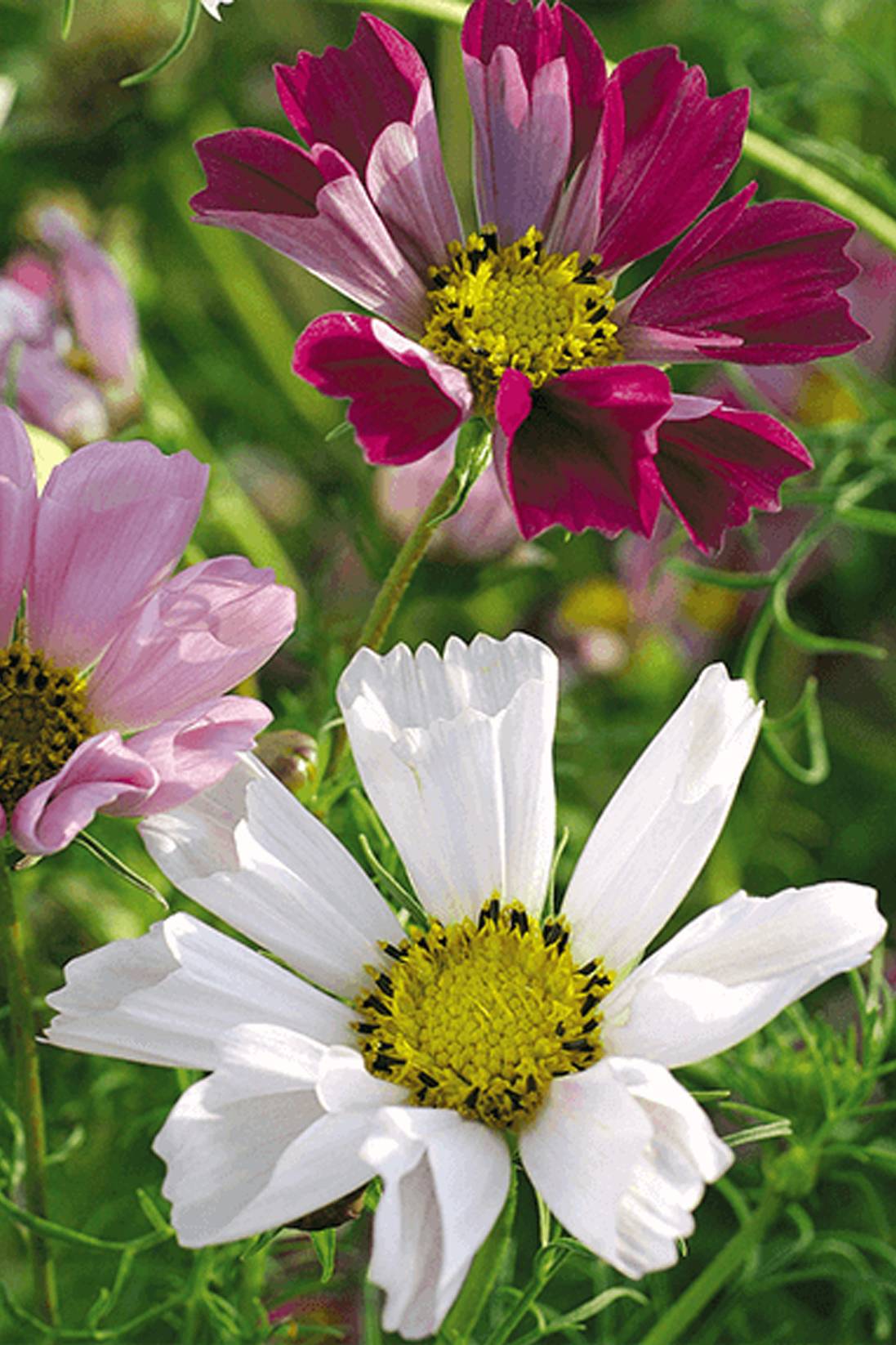
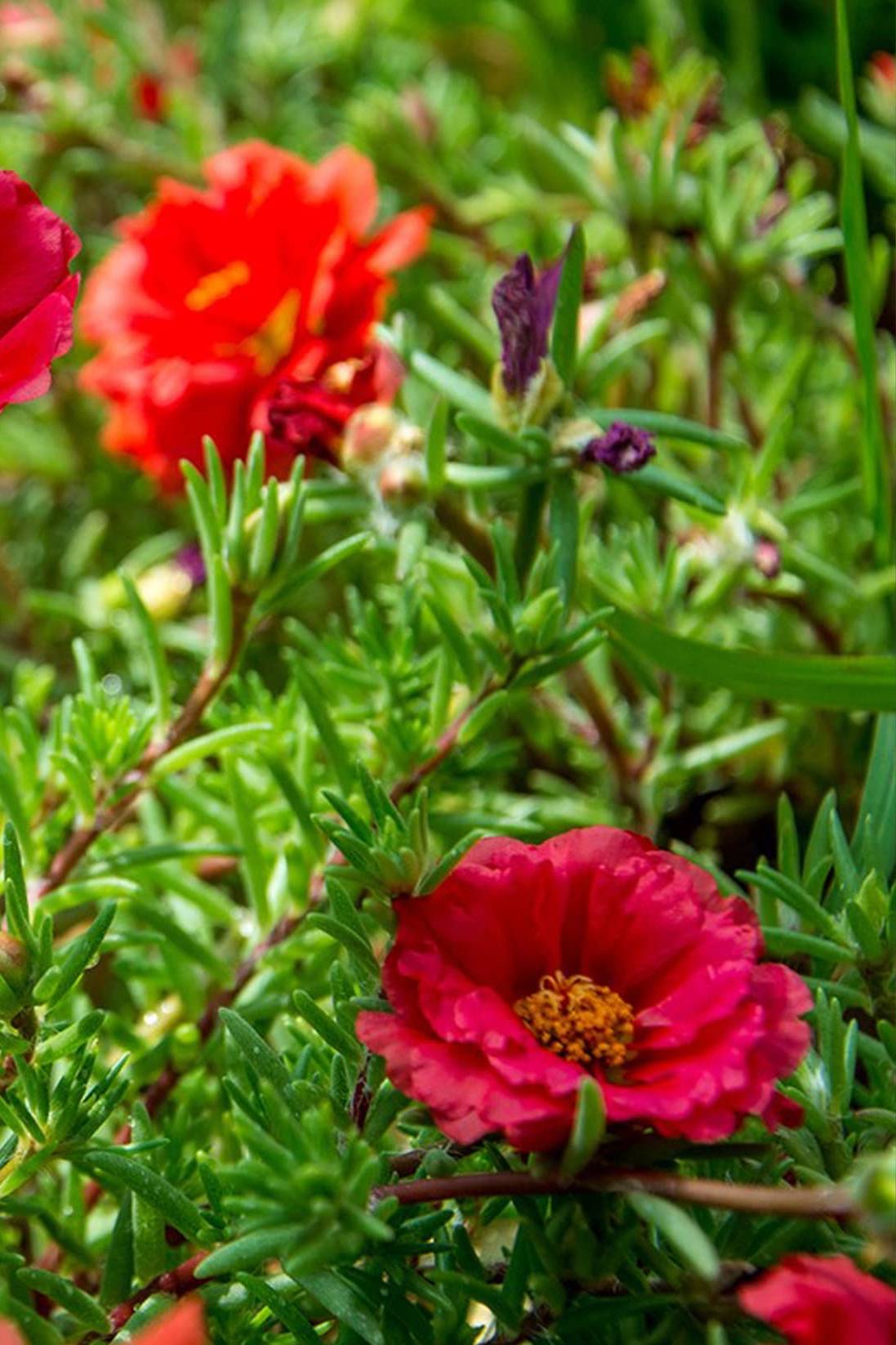
Flowers: The Decorative Mix features large, double blooms in a variety of colors including red, pink, yellow, orange, white, and purple. The flowers can reach sizes of up to 4-6 inches (10-15 cm) in diameter, and they have a full, rounded appearance.
Growth Habit: Dahlias are bushy plants that can range from 12 inches (30 cm) to over 5 feet (1.5 meters) in height, depending on the variety. They grow from tuberous roots and have sturdy, upright stems.
Sowing and Germination Care:
Seed Selection:
Choose high-quality seeds from a reputable supplier. Dahlia seeds can vary greatly in quality, and good seeds will result in healthy, vigorous plants.
Sowing Time:
Start Dahlia seeds indoors 6-8 weeks before the last expected frost date in your area. This allows for a longer growing season and ensures that plants will bloom in the summer.
Seed Preparation:
Dahlia seeds do not require any special preparation. Simply ensure they are fresh and have been stored properly.
Sowing Method:
Indoor Sowing: Fill seed trays or small pots with a well-draining seed-starting mix. Sow the seeds on the surface of the soil and lightly cover them with a thin layer (about 1/8 inch or 3 mm) of the mix or vermiculite. Gently press the seeds into the soil to ensure good contact.
Watering: Water the soil gently to keep it evenly moist but not waterlogged. Use a misting spray bottle to avoid displacing the seeds.
Germination Conditions: Place the seed trays or pots in a warm location with temperatures between 70-75°F (21-24°C). Provide bright, indirect light or use grow lights to ensure adequate light levels. Germination typically occurs within 7-14 days.
Transplanting:
When the seedlings have developed two sets of true leaves and the outdoor temperatures are consistently above 50°F (10°C), they can be transplanted into the garden. Harden off the seedlings by gradually exposing them to outdoor conditions over a period of 7-10 days.
Spacing: Plant the seedlings 12-18 inches (30-45 cm) apart for shorter varieties and up to 24-36 inches (60-90 cm) apart for taller varieties.
Growing Conditions:
Sunlight:
Dahlias require full sun to thrive. Ensure they receive at least 6-8 hours of direct sunlight daily. In very hot climates, some afternoon shade can be beneficial.
Soil:
Plant Dahlias in well-draining, fertile soil with a pH of 6.0-7.0. Amend the soil with compost or well-rotted manure to improve fertility and drainage.
Watering:
Water regularly to keep the soil evenly moist but not waterlogged. Avoid overhead watering to minimize the risk of fungal diseases. Mulching around the plants can help retain soil moisture and suppress weeds.
Temperature:
Dahlias prefer warm temperatures and can be sensitive to frost. In cooler climates, they are typically grown as annuals or dug up and stored indoors during the winter months.
Fertilization:
Feed Dahlias with a balanced, water-soluble fertilizer every 4-6 weeks during the growing season. Alternatively, use a slow-release granular fertilizer at planting time. Avoid high-nitrogen fertilizers, as they can promote foliage growth at the expense of flowers.
Support:
Tall varieties of Dahlias may require staking to support the heavy blooms and prevent the stems from breaking. Use stakes or a plant support system to keep the plants upright.
Pest and Disease Control:
Monitor for common pests such as aphids, spider mites, and slugs. Use insecticidal soap or neem oil if infestations occur.
Watch for signs of fungal diseases such as powdery mildew and botrytis blight. Ensure good air circulation around the plants and avoid wetting the foliage.
Deadheading and Pruning:
Regularly deadhead spent blooms to encourage continuous flowering. Remove any yellowing or damaged leaves to maintain plant health and appearance.
By following these sowing, germination, and growing guidelines, you can successfully cultivate Dahlia Decorative Mix plants and enjoy their stunning, colorful blooms throughout the growing season.
"Sign up for our emails and get exclusive discounts on all your favorite plants and gardening products!"
You’ve subscribed to: Plantshop.ae Newsletter.
You can always manage your subscriptions through the “Unsubscribe” link at the foot of each Plantshop.ae newsletter.