During summer, Water daily or when the soil starts to become slightly dry at the top. During Winter season water once in 2 days or when the soil starts to become slightly dry at the top. Keep the soil lightly moist at all times, but do not overwater as this will cause brown spots and leaf drop. Curly or dry leaves suggest, the plant is dry and needs watering. Water in the early morning or late evening when temperatures are cooler. Always check your soil before watering.
Light
During summer season keep the plants in shaded area and during winter season plants can withstand direct/indirect light.
Temperature
During summer season or when the temperature is above 45°C place the plant in shaded area. During winter season or the when the temperature is below 45°C the plants can be directly placed in direct/indirect sunlight.
Fertilizer
Apply liquid fertilizer or slow release fertilizer once in 15 days. Always fertilizer the plants during the morning hours when the temperature is low. For best results use Folikraft ready to use Outdoor Plant Food / Flower Booster.
Plant Bio
Culture
Winter hardy where it may be grown in rich, moist, well-drained loams in full sun to part shade. Best sited in locations sheltered from strong winds. plants may be grown in containers that are overwintered indoors. Place containers in bright light in east, south or west windows. Allow soil to dry between waterings. Propagate by seed or cuttings.
Noteworthy Characteristics
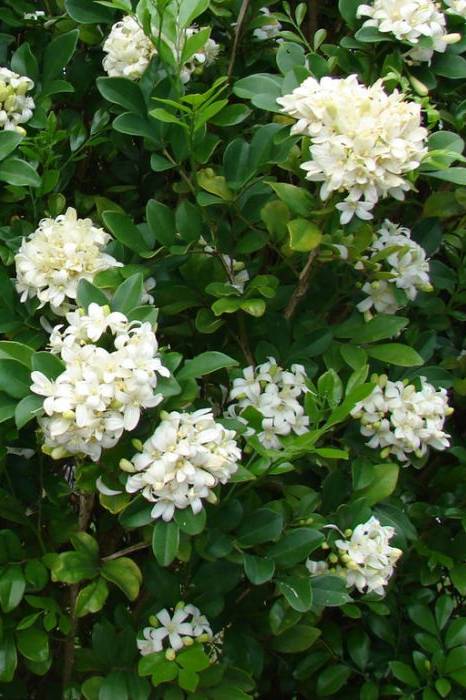
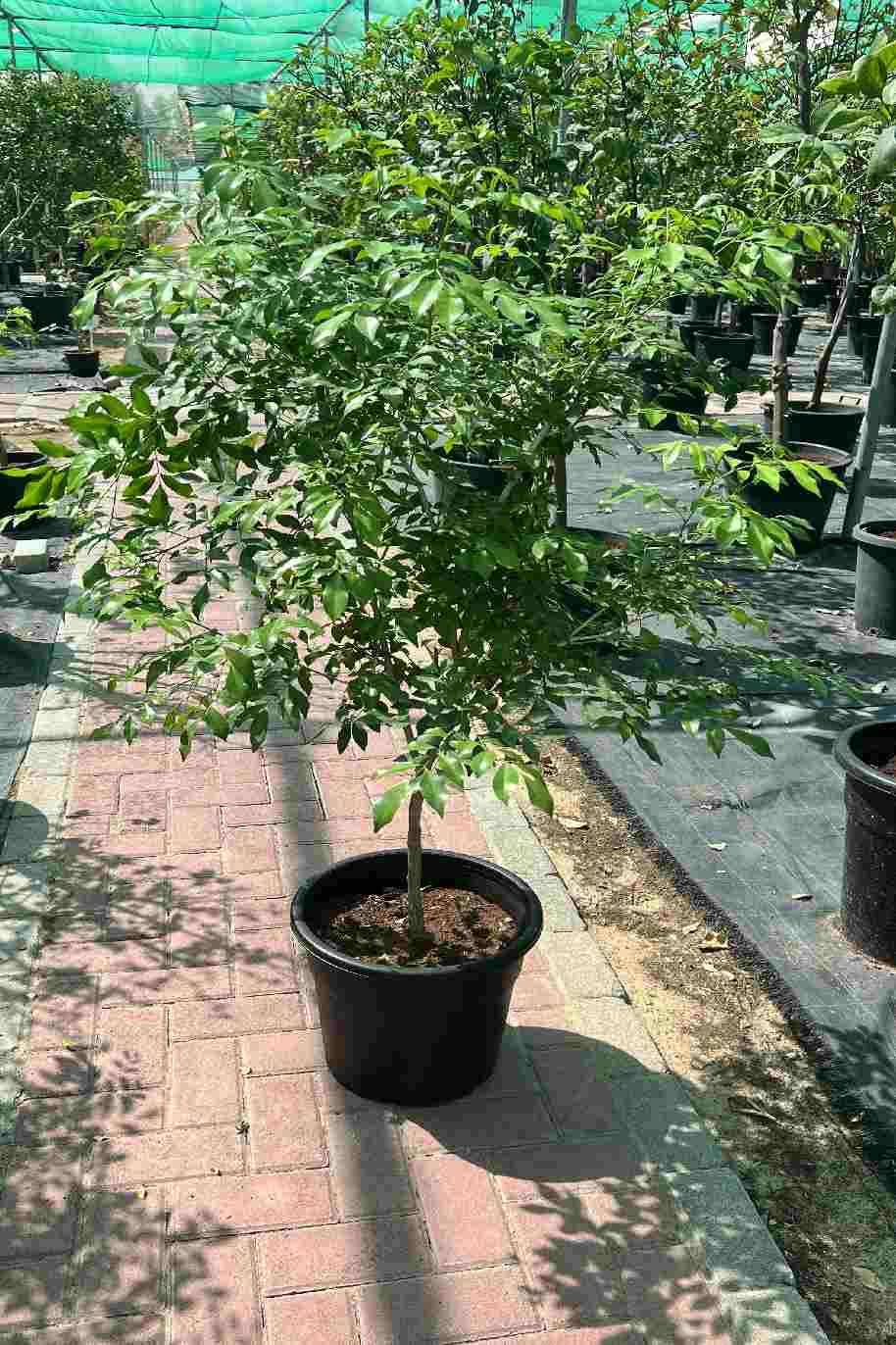
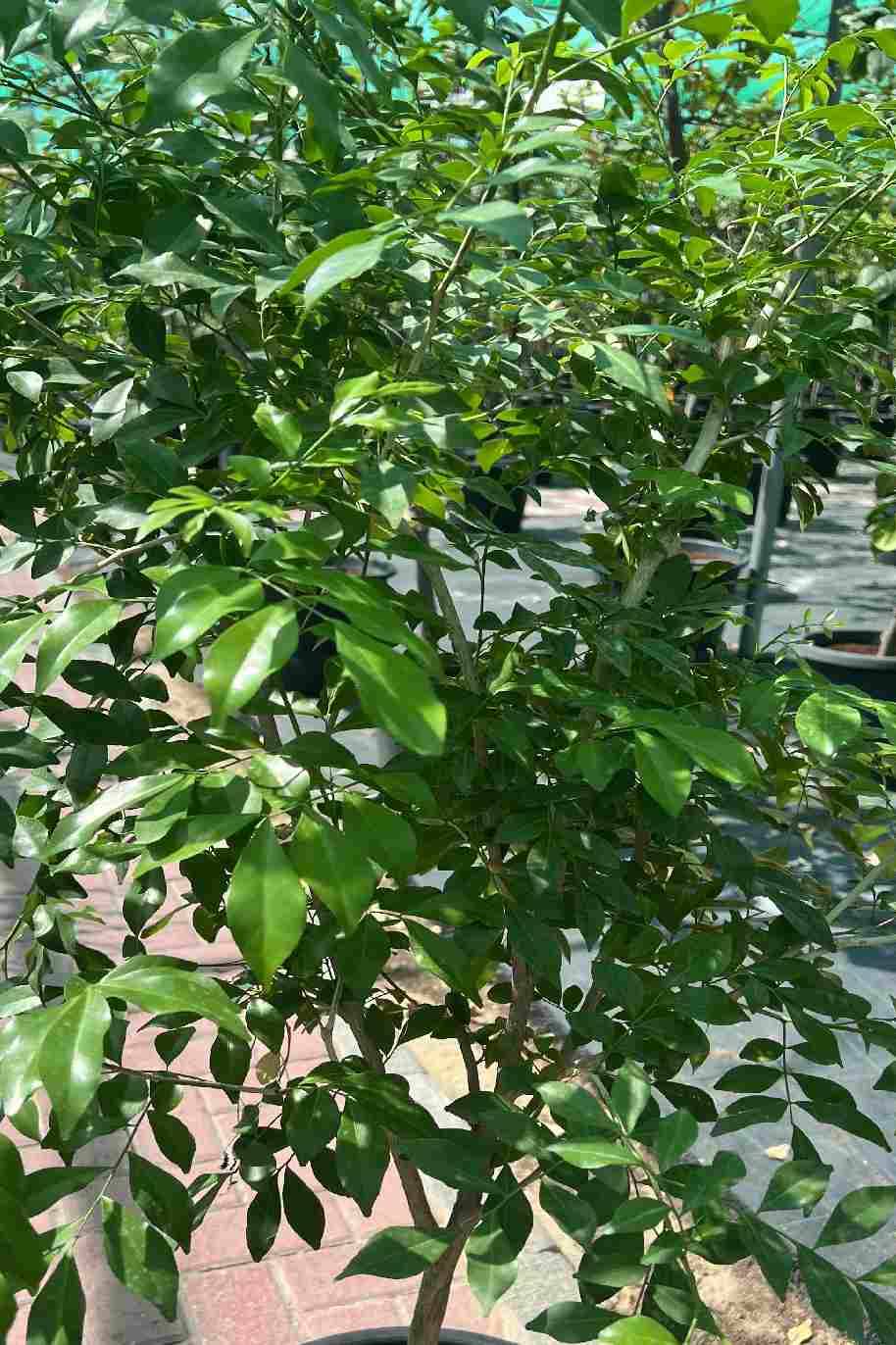
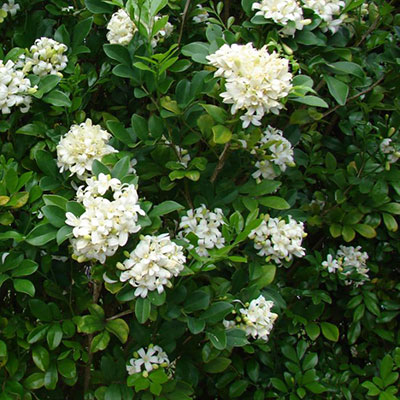
Murraya paniculata, commonly called orange jessamine, is a small, tropical to subtropical tree or shrub that may grow to as much as 20' tall, but is usually found much shorter (8-12') and can be pruned as a formal hedge to as little as 2-3' tall. It is noted for its glossy evergreen dark green leaves, strongly fragrant white flowers and red ornamental fruits. It is native from China and India to Australia. Each odd-pinnate leaf typically has 3 to 9, ovate, glossy, dark green leaflets (to 2.5" long). Fragrant white flowers (each to 7/8" across) in terminal or axillary cymes bloom several times throughout the year. Flowers are most fragrant at night. Flowers are followed by ovoid, red fruits (each to 1/2" long), each with 1-2 seeds. Plants may display flowers and fruits at the same time. Flowers have the scent of orange blossoms, hence the common names of orange jessamine and mock orange that are sometimes applied. Synonymous with Murraya exotica.
Genus name honors Johann Andreas Murray (1740-1791), Swedish pupil of Linnaeus and professor of medicine and botany, Gottingen.
Specific epithet refers to the flower inflorescence.
Problems
Watch for mealy bugs, scale and whiteflies. Root rot may occur if soils are kept too damp. Murraya paniculata is a host of the Asian citrus psyllid, which is a vector for the bacterium that causes citrus greening disease.
Uses
Where winter hardy, orange jessamine is often grown as a hedge or screen. Interesting in containers or planters. plants must be overwintered indoors.
"Sign up for our emails and get exclusive discounts on allyour favorite plants and gardening products!"
Now we’re in this together.
Your welcome email is on the way!
You’ve subscribed to: Plantshop.ae Newsletter. You can always manage your subscriptions through the “Unsubscribe” link at the foot of each Plantshop.ae newsletter.
We use cookies to improve your experience. Privacy Policy