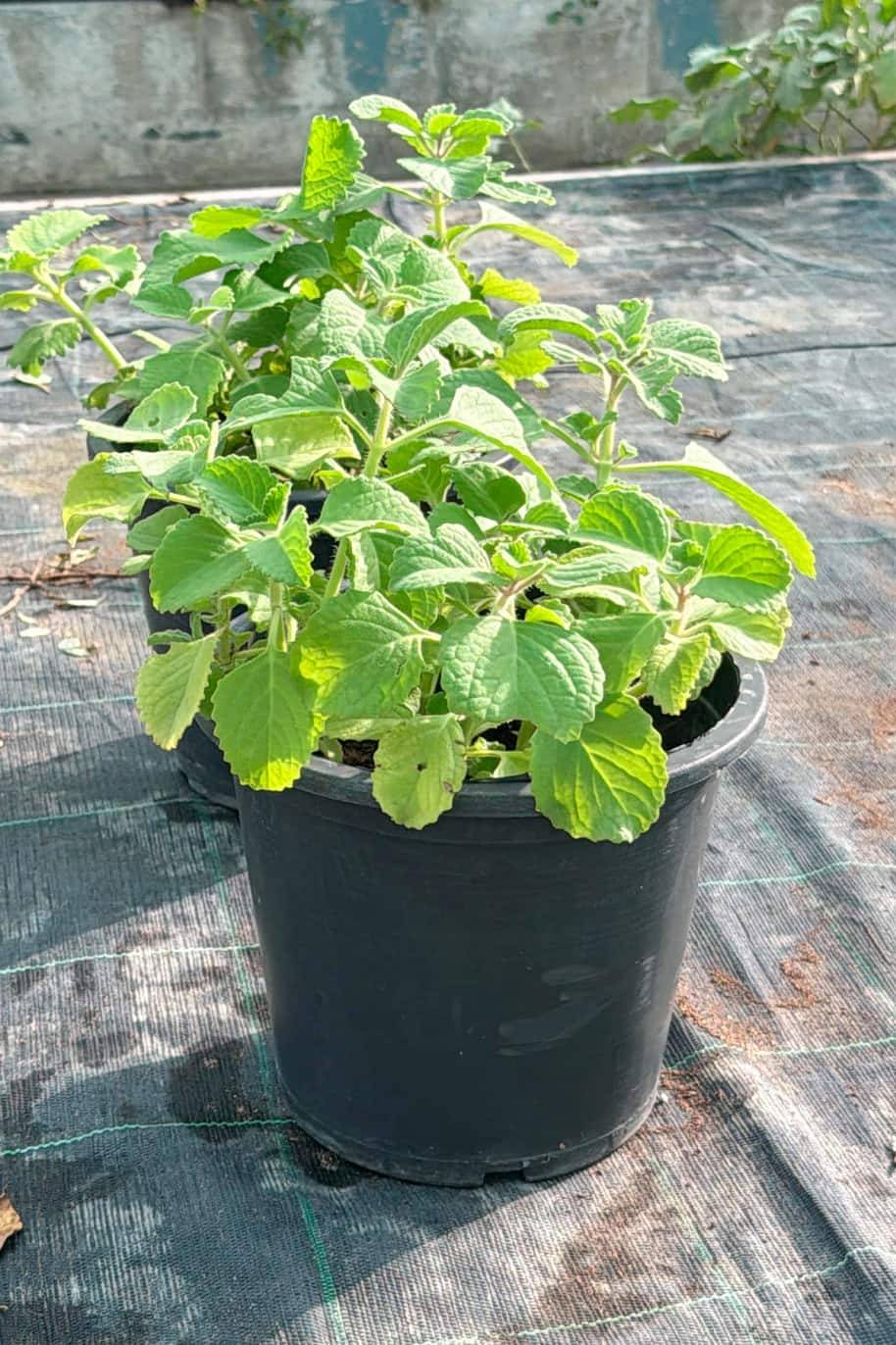
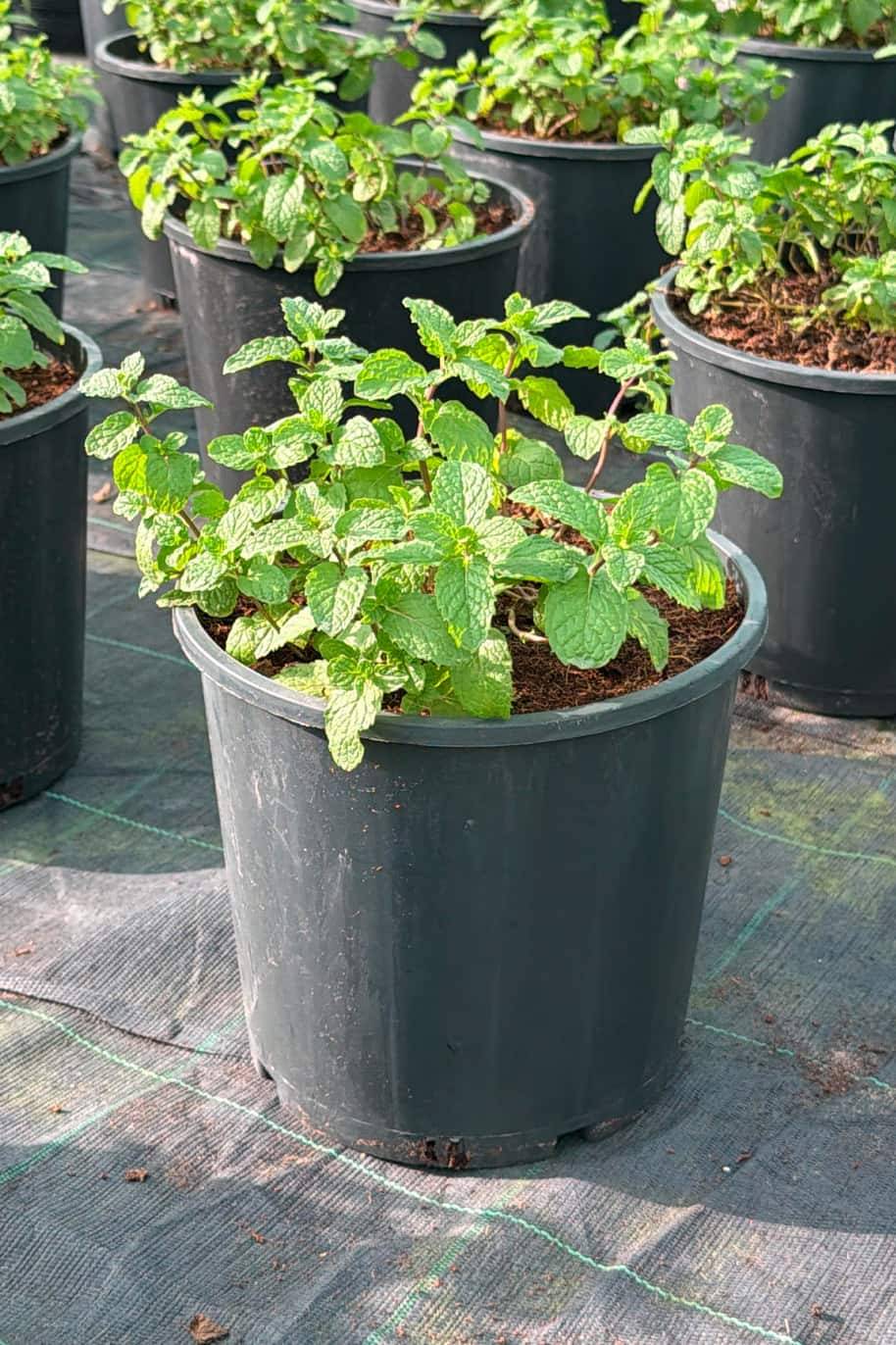
Plant Bio
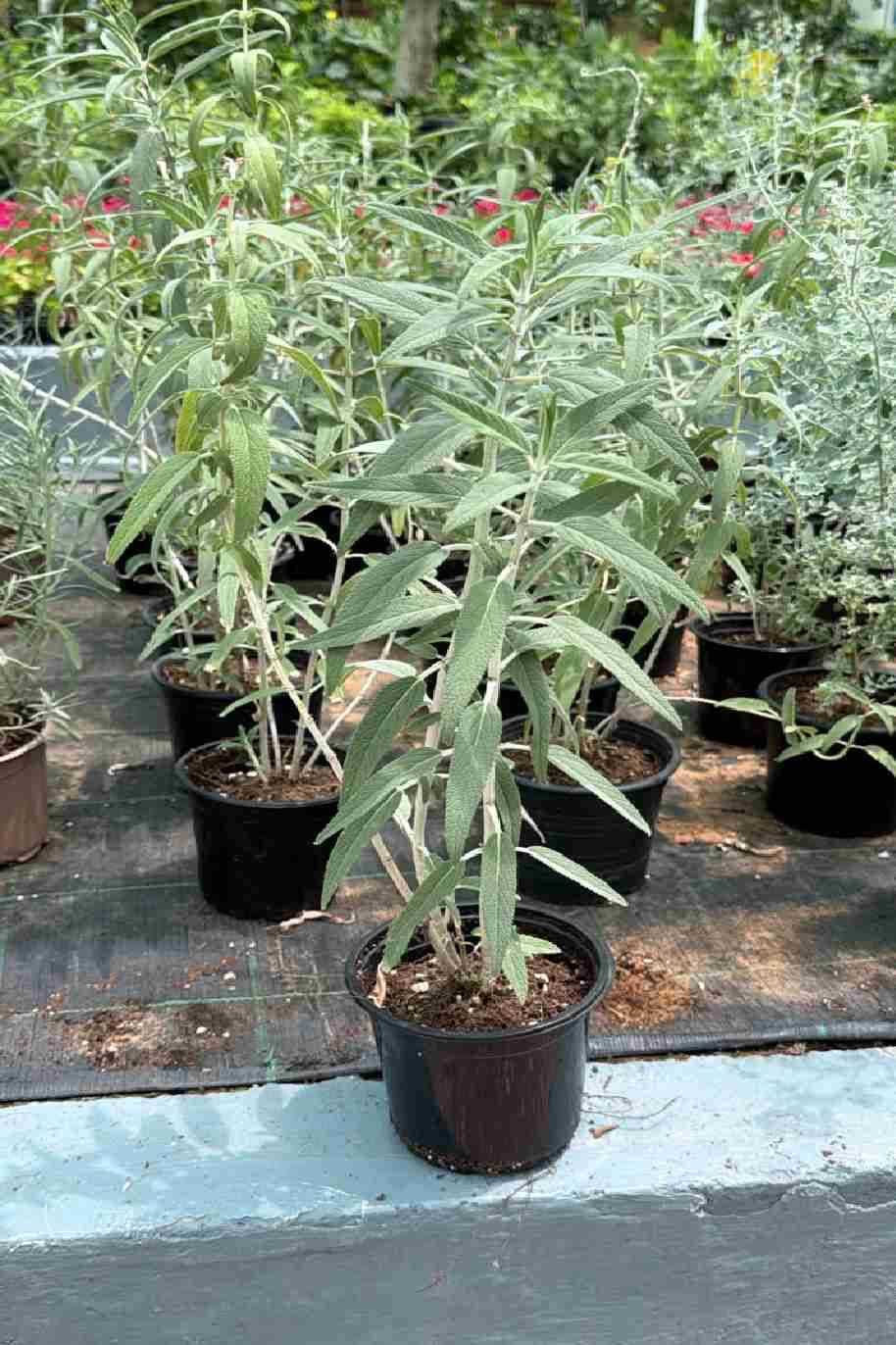
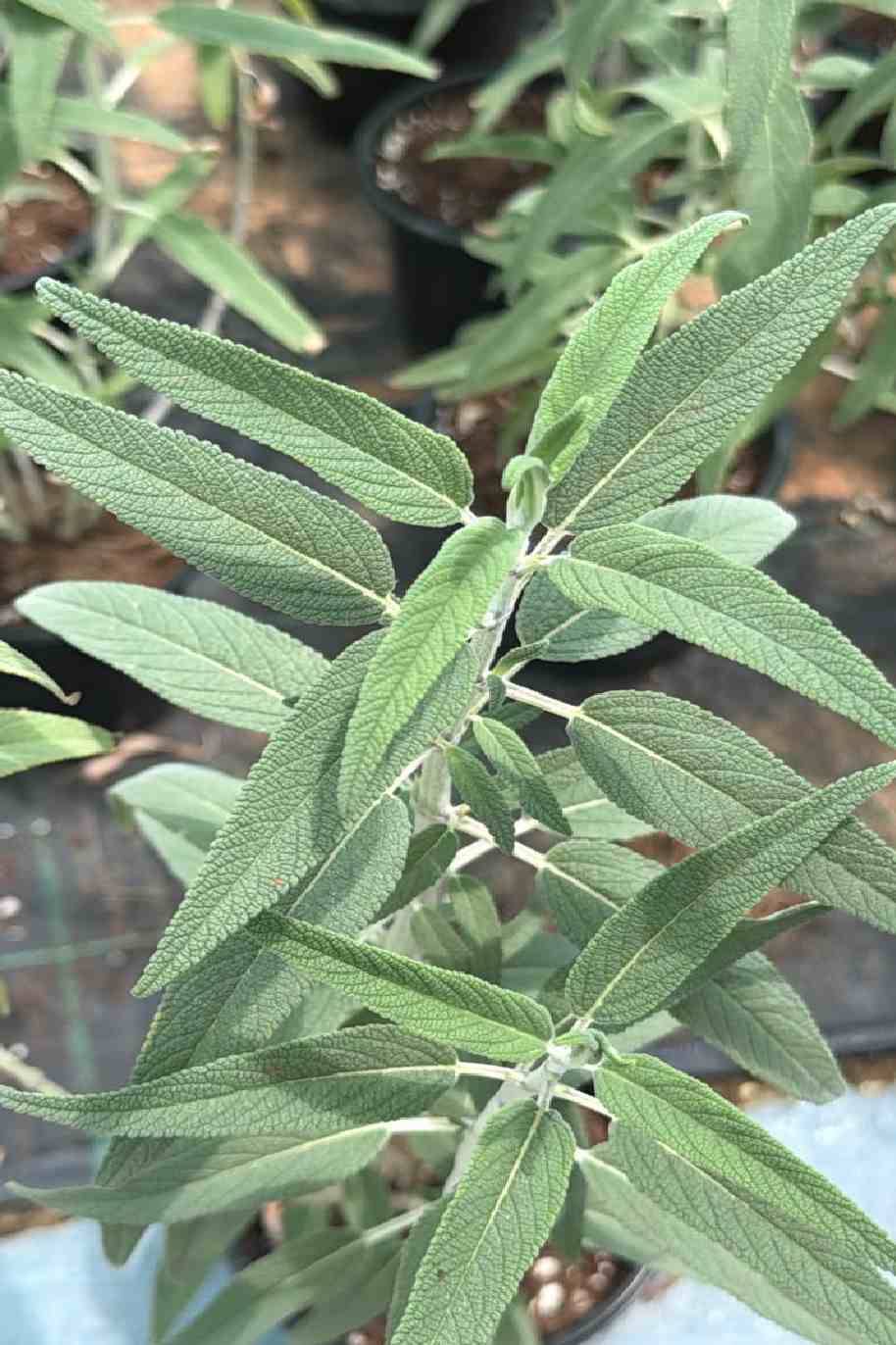
As a culinary herb, Purple Sage is one of the most flavorful sages and can be interchanged with regular garden sage. Sage herb plants can be used in all recipes calling for the delicious flavor of sage - stuffing, sausages, soups and stews. Water Purple sage is a drought-tolerant plant that thrives in dry soil. Once established, the plant generally requires no supplemental irrigation; however, it benefits from an occasional watering during periods of hot, dry weather.
Water deeply enough to saturate the roots and then don't water again until the soil is dry. Too little water is preferable to too much, as purple sage can die from rot and other moisture-caused diseases if the soil is allowed to become waterlogged. Water Purple sage is a drought-tolerant plant that thrives in dry soil. Once established, the plant generally requires no supplemental irrigation; however, it benefits from an occasional watering during periods of hot, dry weather.
Fertilizer Fertilizer is generally unnecessary for purple sage. However, if the soil is heavily clay- or acid-based -- often caused by decay of organic matter or leaching of rainfall -- the addition of wood ash or dolomitic limestone at planting time serves to adjust the soil pH. Alternatively, apply an acidifying fertilizer. Read the container carefully to determine if it is an acidifying fertilizer and then apply the fertilizer as directed. Experts at your local cooperative extension office can advise you regarding soil testing and soil pH.
Trimming Although purple sage is often drastically pruned to control the size or to form a hedge, a few years of heavy pruning results in a tall, thin plant that produces blooms only on the tips of branches that cover dry, unattractive wood. Instead, purple sage benefits from light pruning in late winter or early spring. Use hand pruners and prune selectively, trimming branches to varying lengths to produce a natural appearance.