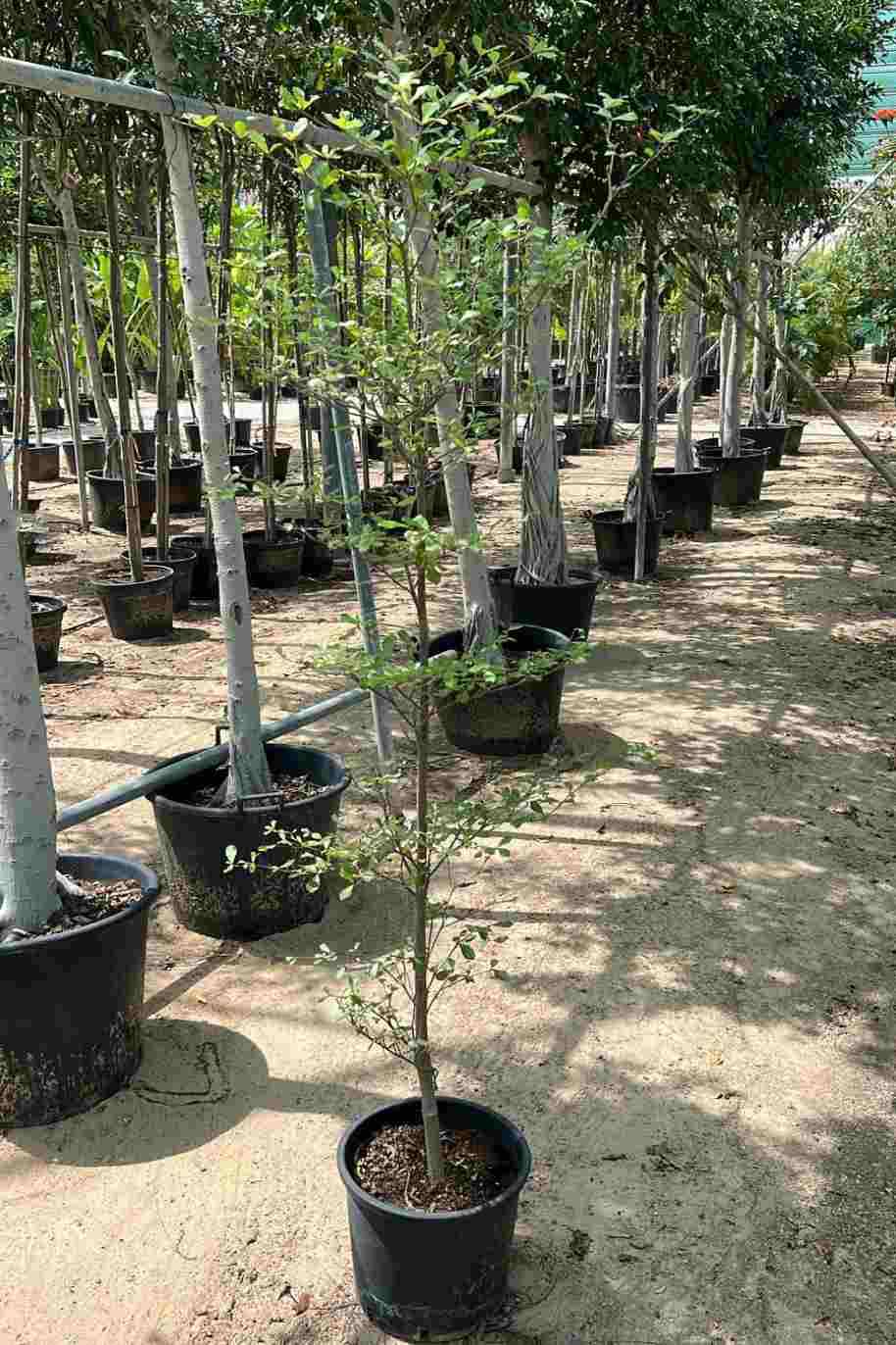
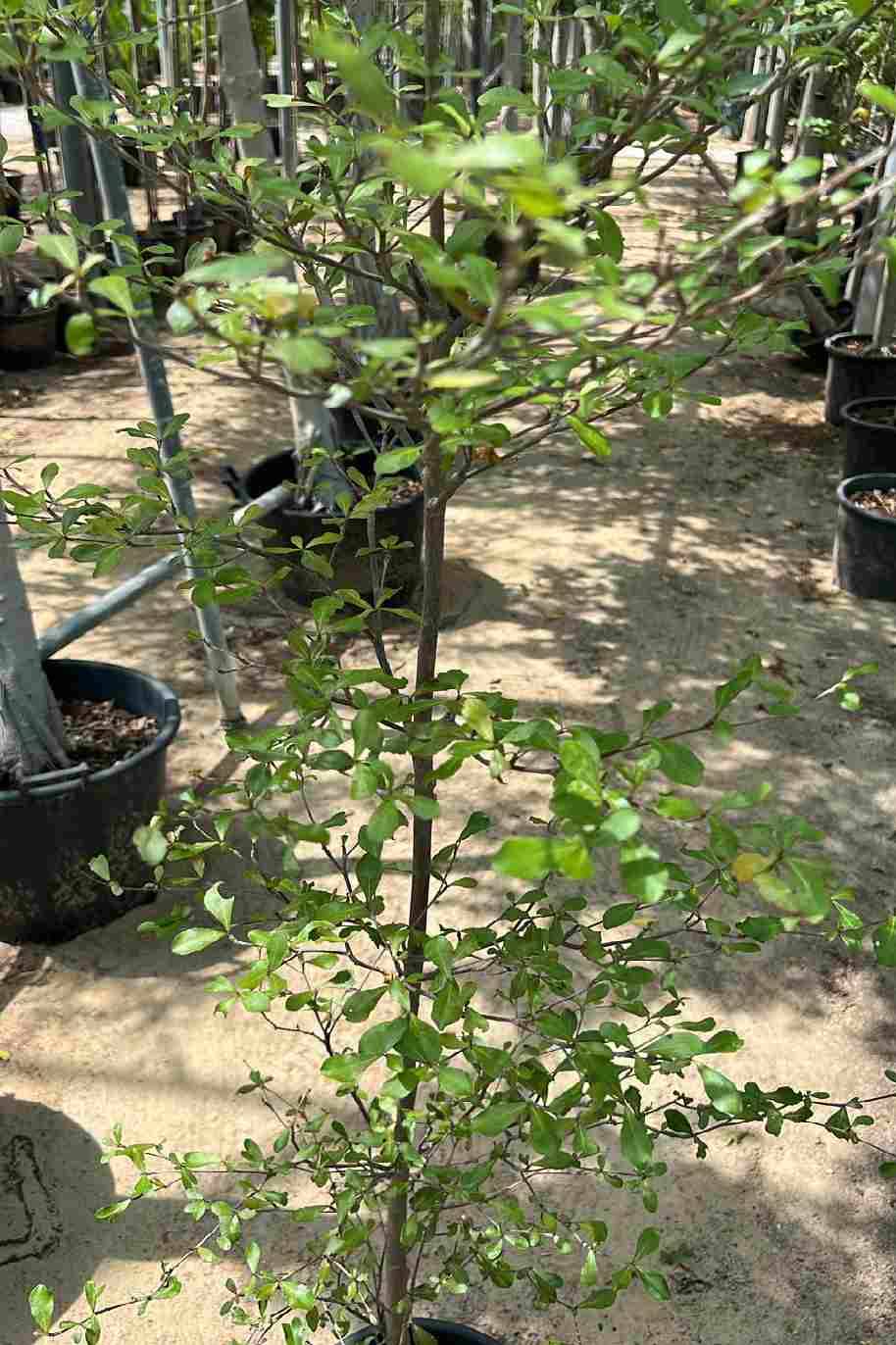
During summer, Water daily or when the soil starts to become slightly dry at the top. During Winter season water once in 2 days or when the soil starts to become slightly dry at the top. Keep the soil lightly moist at all times, but do not overwater as this will cause brown spots and leaf drop. Curly or dry leaves suggest, the plant is dry and needs watering. Water in the early morning or late evening when temperatures are cooler. Always check your soil before watering.
Light
During summer season keep the plants in shaded area and during winter season plants can withstand direct/indirect light.
Temperature
During summer season or when the temperature is above 45°C place the plant in shaded area. During winter season or the when the temperature is below 45°C the plants can be directly placed in direct/indirect sunlight.
Fertilizer
Fruit and Flower Fertilizer
Plant Bio
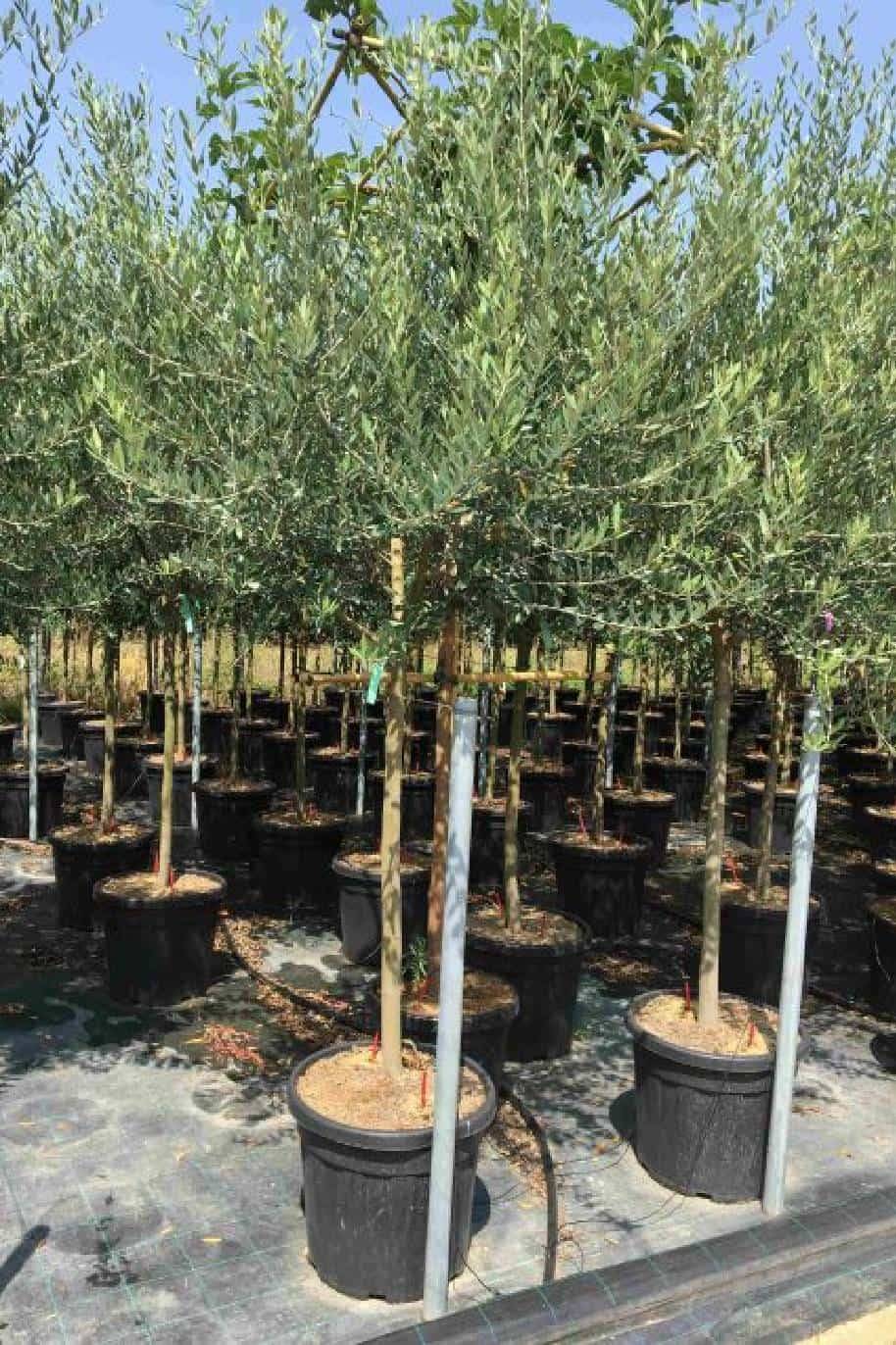
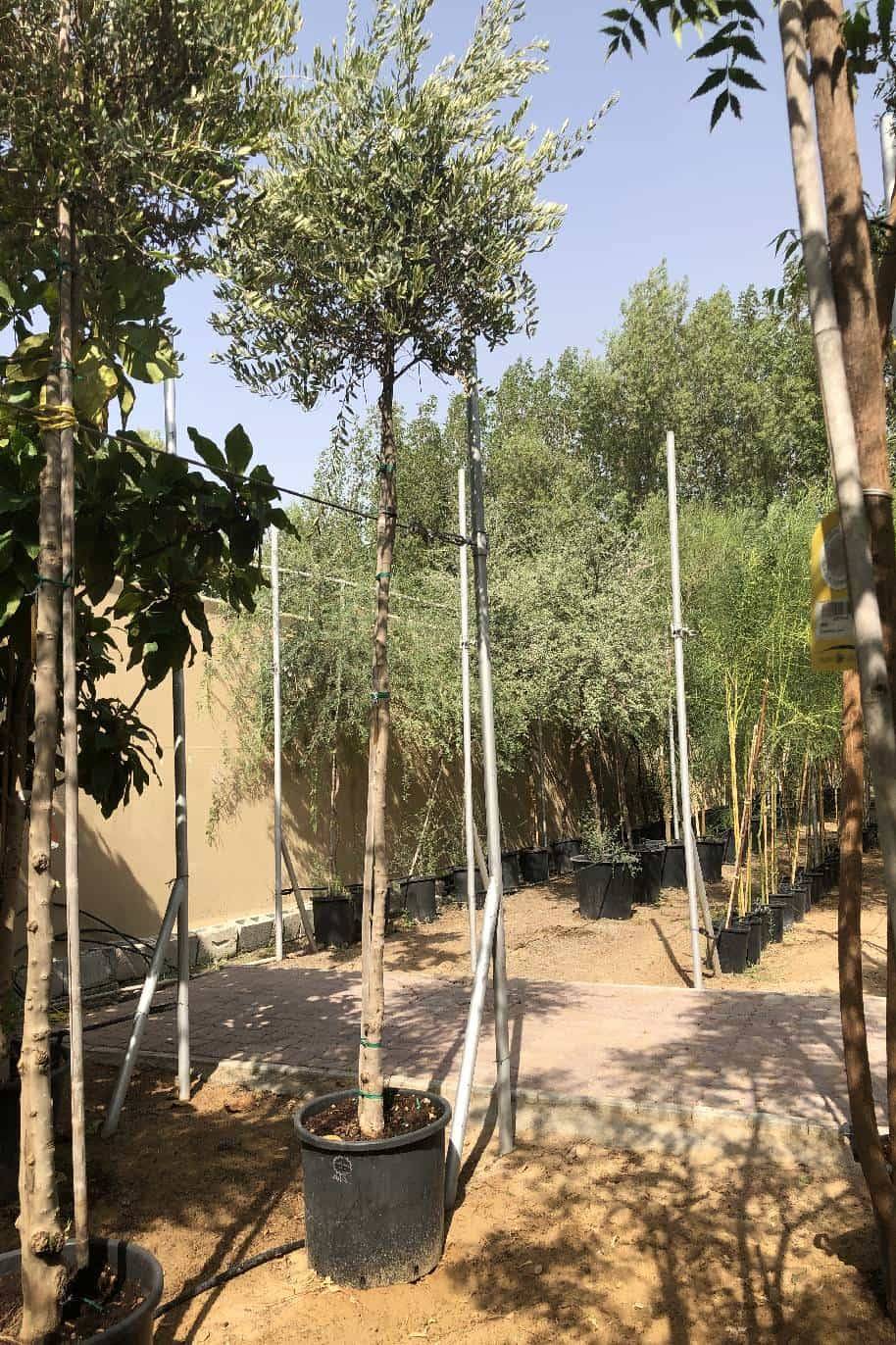
The Olive Single Head Tree, scientifically known as Olea europaea, is a small to medium-sized evergreen tree native to the Mediterranean region. It is prized for its silvery-green, narrow leaves, and its ability to produce olives, which are used for oil and culinary purposes. The tree typically has a single, straight trunk (hence "single head") and a dense, rounded canopy of foliage.
Olive trees are slow-growing and can live for hundreds of years, making them a symbol of peace, longevity, and resilience. The tree has a gnarled and twisted appearance as it ages, adding to its aesthetic appeal. Olive trees are well-suited for Mediterranean gardens, container growing, and even as indoor bonsai specimens in colder climates.
Care for Olive Single Head Tree:
Sunlight:
Olive trees require full sun to thrive. Ensure the tree receives at least 6-8 hours of direct sunlight daily. They are sun-loving and do best in warm, bright locations.
Soil:
Plant your olive tree in well-draining soil. Olive trees prefer slightly alkaline soil with a pH of 7.0 to 8.5. If the soil is heavy clay, amend it with sand or gravel to improve drainage.
Watering:
Olive trees are drought-tolerant once established, but young trees need regular watering until they are well-rooted. Water deeply and allow the soil to dry out between watering. Avoid waterlogging, as it can cause root rot.
Temperature:
Olive trees thrive in warm, Mediterranean-like climates. They prefer temperatures between 60-80°F (15-27°C) but can tolerate higher temperatures. Protect the tree from frost, as prolonged exposure to freezing temperatures can damage or kill the tree.
Fertilization:
Olive trees do not require heavy fertilization. In spring, you can apply a balanced, slow-release fertilizer to support growth. Avoid over-fertilizing, as this can lead to excessive foliage growth at the expense of fruit production.
Pruning:
Prune your olive tree in late winter or early spring before new growth begins. Remove any dead, diseased, or crossing branches to maintain a strong structure and open up the canopy to light and air circulation. Light pruning helps to shape the tree and encourage fruiting.
Pests and Diseases:
Olive trees are relatively pest-resistant, but they can occasionally be affected by scale insects, olive fruit flies, and fungal diseases like verticillium wilt. Regularly inspect the tree and treat any infestations with neem oil or horticultural soap. Ensure good air circulation around the tree to prevent fungal issues.
Container Growing:
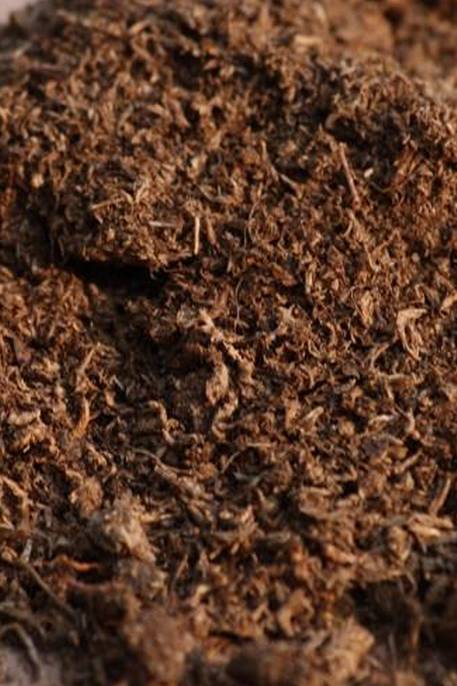
Olive trees can be grown in containers, especially in colder climates where they need to be brought indoors during winter. Use a large container with drainage holes and fill it with a well-draining potting mix. Water regularly, but allow the soil to dry slightly between watering. During winter, reduce watering and place the tree in a cool, bright location.
Harvesting:
Olive trees typically start producing fruit after 3-5 years. Olives can be harvested when they reach full size, usually in late summer to fall. Depending on the variety, olives can be harvested green (unripe) or black (ripe). After harvesting, olives must be cured before they are edible.
By providing the right conditions and care, your Olive Single Head Tree can thrive and become a beautiful and productive addition to your garden or home.
Frequently Asked Questions
An Olive Single Head Tree requires full sun, with at least 6-8 hours of direct sunlight daily. This sun-loving tree thrives in warm, bright locations typical of Mediterranean climates.
Water your Olive Single Head Tree deeply and allow the soil to dry out between watering. While young trees need regular watering, established trees are drought-tolerant and should avoid waterlogging.
The Olive Single Head Tree is generally considered safe for pets and children. However, as with any plant, it's advisable to prevent ingestion of leaves or other parts to avoid potential digestive discomfort.
For the Olive Single Head Tree, use Folikraft Organic Outdoor Plant Food available at Plantshop.me. Apply a balanced, slow-release fertilizer in spring to support healthy growth without over-fertilizing.
Plant your Olive Single Head Tree outdoors in a location with full sun and well-draining soil. It's ideal for Mediterranean gardens and can also be grown in containers for versatility.
Plantshop.me offers delivery for the Olive Single Head Tree directly to your location in the UAE. Ensure you provide accurate delivery details at checkout for a smooth and timely delivery process.
"Sign up for our emails and get exclusive discounts on allyour favorite plants and gardening products!"
Now we’re in this together.
Your welcome email is on the way!
You’ve subscribed to: Plantshop.ae Newsletter. You can always manage your subscriptions through the “Unsubscribe” link at the foot of each Plantshop.ae newsletter.
We use cookies to improve your experience. Privacy Policy