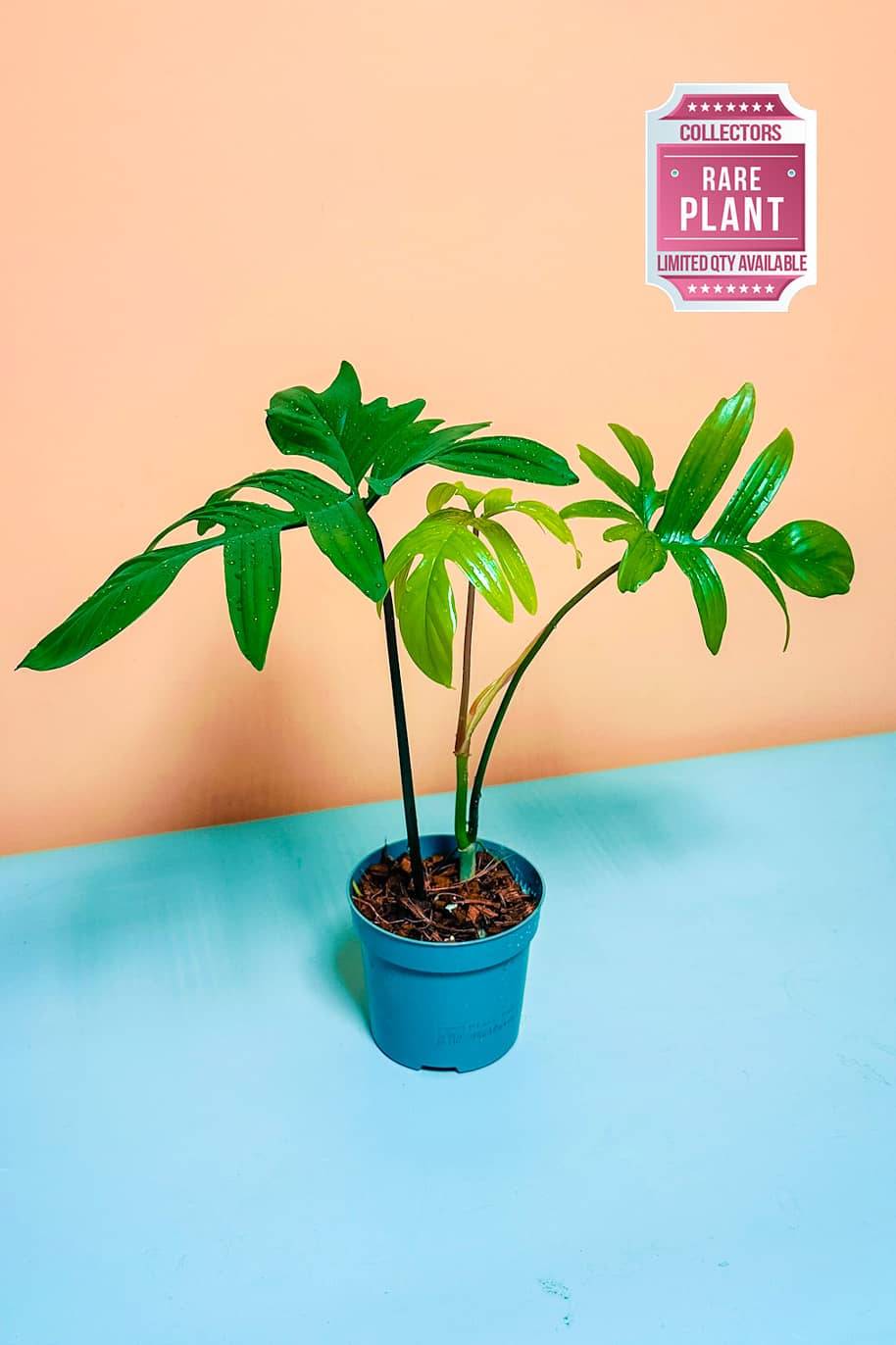
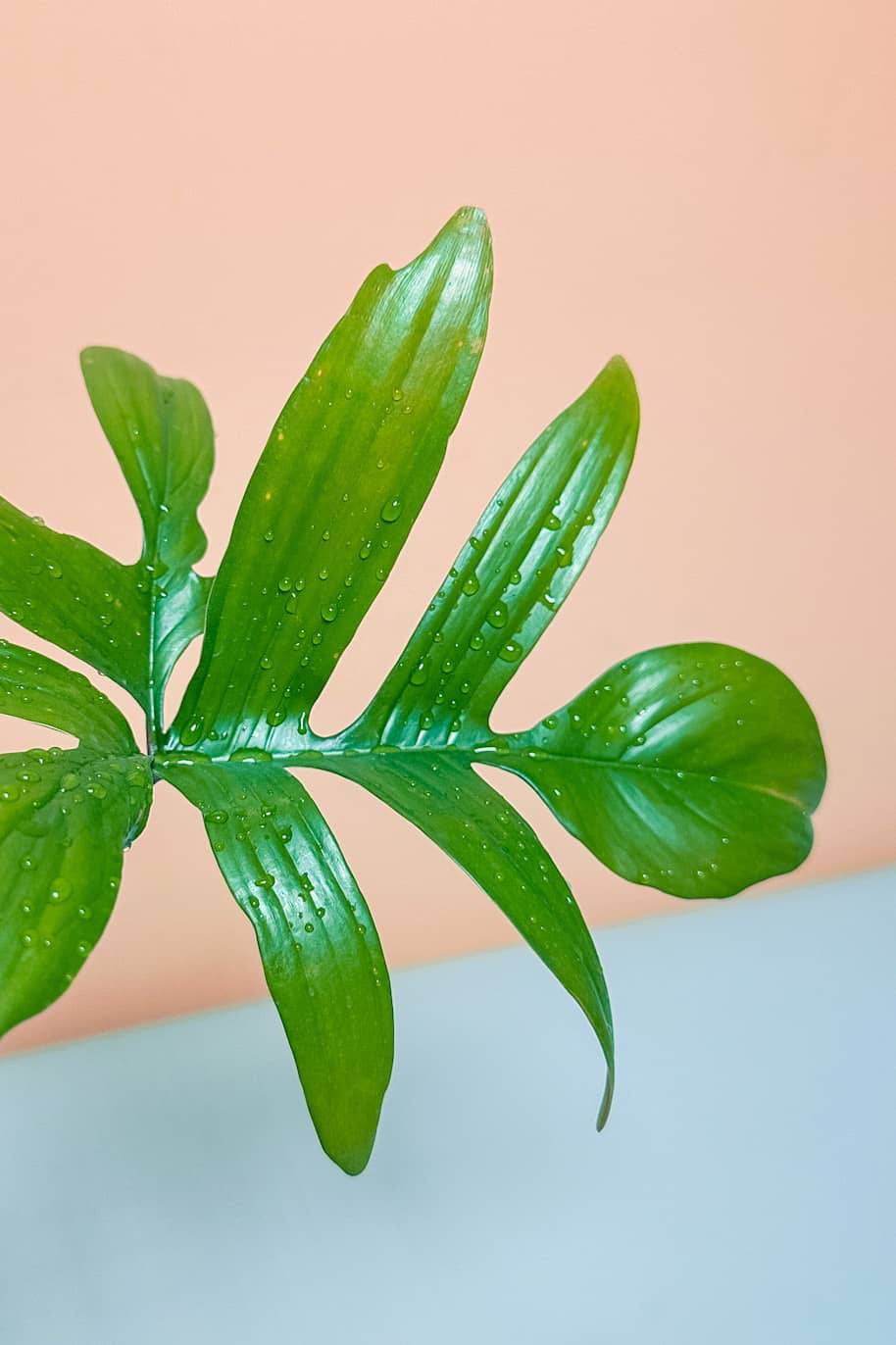
During summer, Water daily or when the soil starts to become slightly dry at the top. During Winter season water once in 2 days or when the soil starts to become slightly dry at the top. Keep the soil lightly moist at all times, but do not overwater as this will cause brown spots and leaf drop. Curly or dry leaves suggest, the plant is dry and needs watering. Water in the early morning or late evening when temperatures are cooler. Always check your soil before watering.
Light
During summer season keep the plants in shaded area and during winter season plants can withstand direct/indirect light.
Temperature
During summer season or when the temperature is above 45°C place the plant in shaded area. During winter season or the when the temperature is below 45°C the plants can be directly placed in direct/indirect sunlight.
Fertilizer
Fruit and Flower Fertilizer
Plant Bio
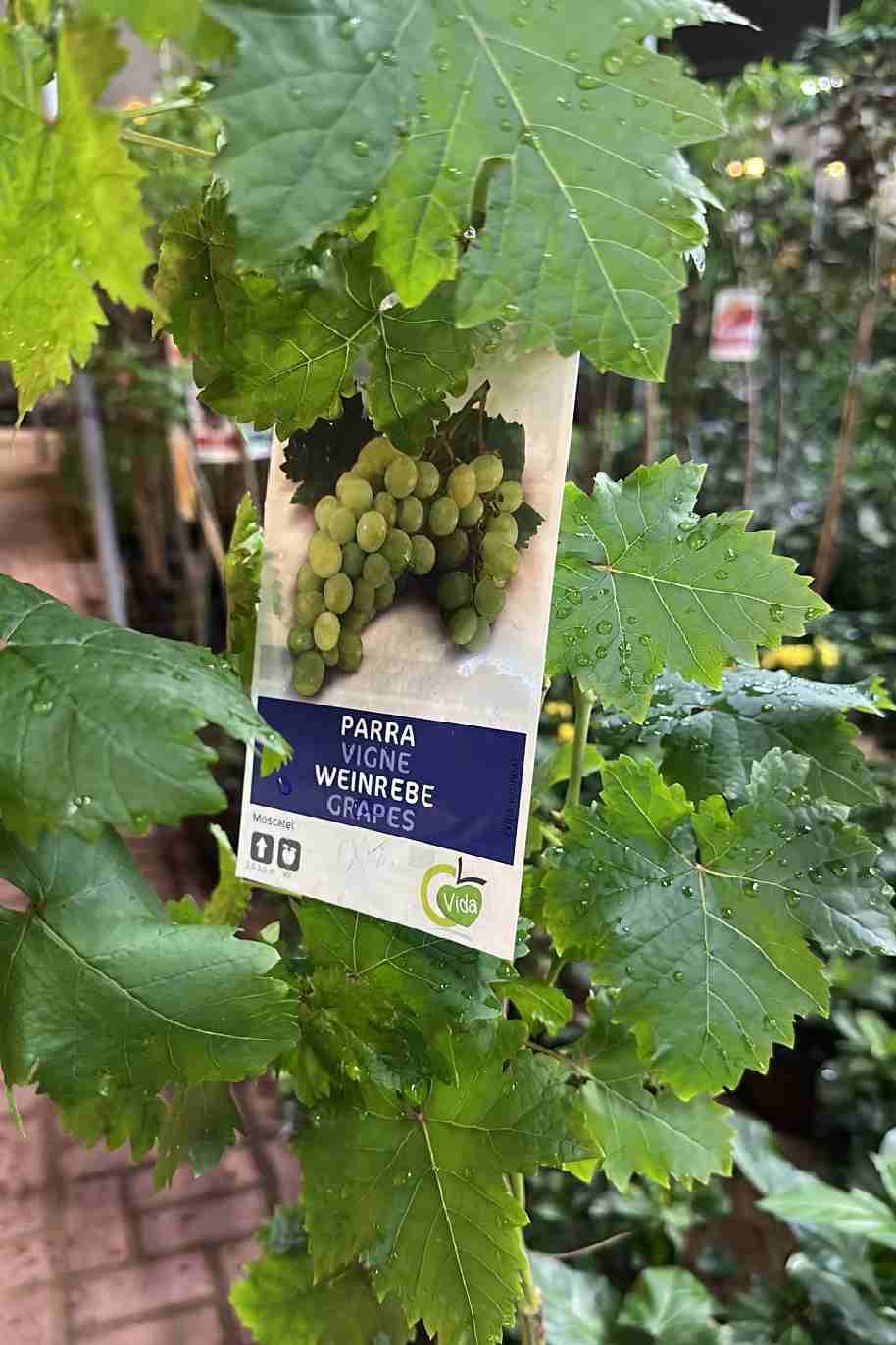
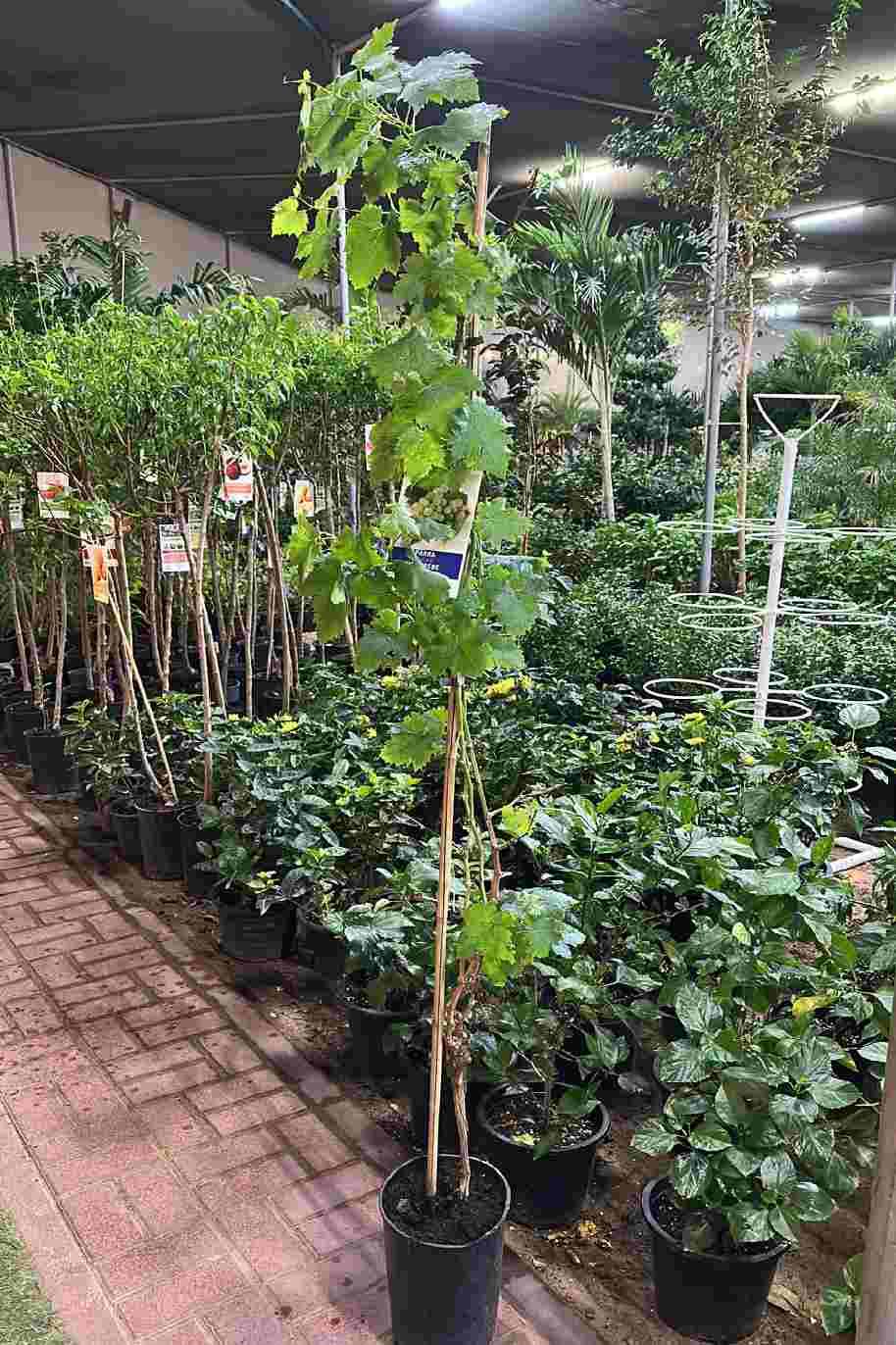
Name – Vitis vinifera Family – Vitaceae Type – fruit shrub
Height – 6 ½ to 16 feet (2 to 5 meters) Exposure – full sun Soil – ordinary, chalky
Foliage – deciduous Harvest – September-October
Planting grapevine
It is recommended to plant grapevines in fall or in spring. The better of the two options is fall for planting, because it makes root development before winter possible, and growth in spring will be stronger.
Out of these two seasons, simply avoid freezing or high temperatures for planting.
If you’re planting in spring or summer, remember to water regularly after planting to ensure rooting in.
Grapevine requires exposure to the sun or it won’t produce any fruits. Grapevine doesn’t cope well with strong winds, nor does it do well in enclosed locations where it might be subject to some fungus like downy mildew. Grapevine likes well drained soil and abhors stagnating water. Follow our advice on planting shrubs.
Pruning and caring for grapevine
This is performed from November to mid-April, as long as it isn’t freezing. This is when the grapevine is in a dormant state.
Pruning the grapevine is important, because this determines the quality of the grape harvest, helps direct the growth of stems and reduces appearance of diseases.
Check our page on how to prune grapevine.
All there is to know about grapevine
Grapevine is an amazing shrub to grow in your own garden. Some species are perfectly suited to being eaten directly such as chasselas.
Attached to a lattice along a wall and well-kept, grapevine will soon reward you with the joy of savoring your own grapes, bursting with sweetness.
But treatments are quite extensive and pruning is mandatory to ensure fruit formation and produce a rich and abundant harvest.
Diseases and parasites infecting grapevine
Sadly, grapevine is a rather fragile shrub and a few good practices help avoid diseases.
First, with a regular spraying of Bordeaux mixture. This effective fungicide is part of treating preventively and must be sprayed on the leaves as soon as they appear and up to two weeks before harvesting the grapes.
Main diseases & parasites that infect grapevine and grapes
Downy mildew – brownish spots on the leaves => How to treat grapevine against downy mildew Powdery mildew – A whitish velvet covers the leaves and the grapes shrivel, dry off and rot on the branches. => Here is how to fight against powdery mildew on grapevine Grape erineum mite – waffled green or red blisters appear on leaves => Treating erineum mite Insects – Spray organic insecticides in February against the winter hibernating spores, and then again when the first leaves appear and at the end of the blooming season.
"Sign up for our emails and get exclusive discounts on allyour favorite plants and gardening products!"
Now we’re in this together.
Your welcome email is on the way!
You’ve subscribed to: Plantshop.ae Newsletter. You can always manage your subscriptions through the “Unsubscribe” link at the foot of each Plantshop.ae newsletter.
We use cookies to improve your experience. Privacy Policy