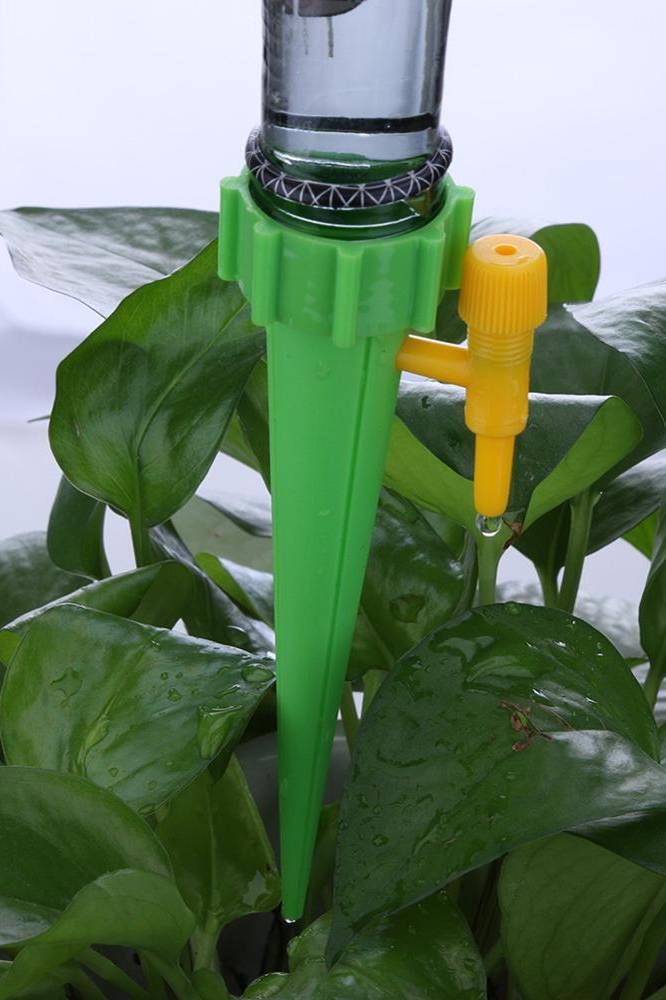
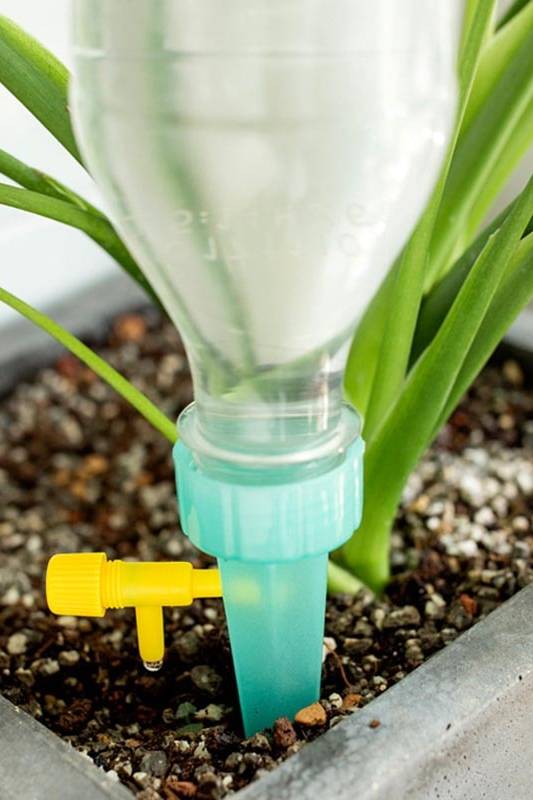
Water once a week or when the soil starts to become slightly dry at the top. Keep the soil lightly moist at all times, but do not overwater as this will cause brown spots and leaf drop. Curly or dry leaves suggest, the plant is dry and needs watering. Water in the early morning or late evening when temperatures are cooler. Always check your soil before watering.
Light
Bright indoor light or indirect sun. 6 hours to 8 hours
Temperature
Maintain temperatures between 18°C - 24°C. Avoid draughts as these can create undesirable temperature fluctuations. Consider giving your plant an occasional misting twice every week to maintain the optimum humidity level.
Fertilizer
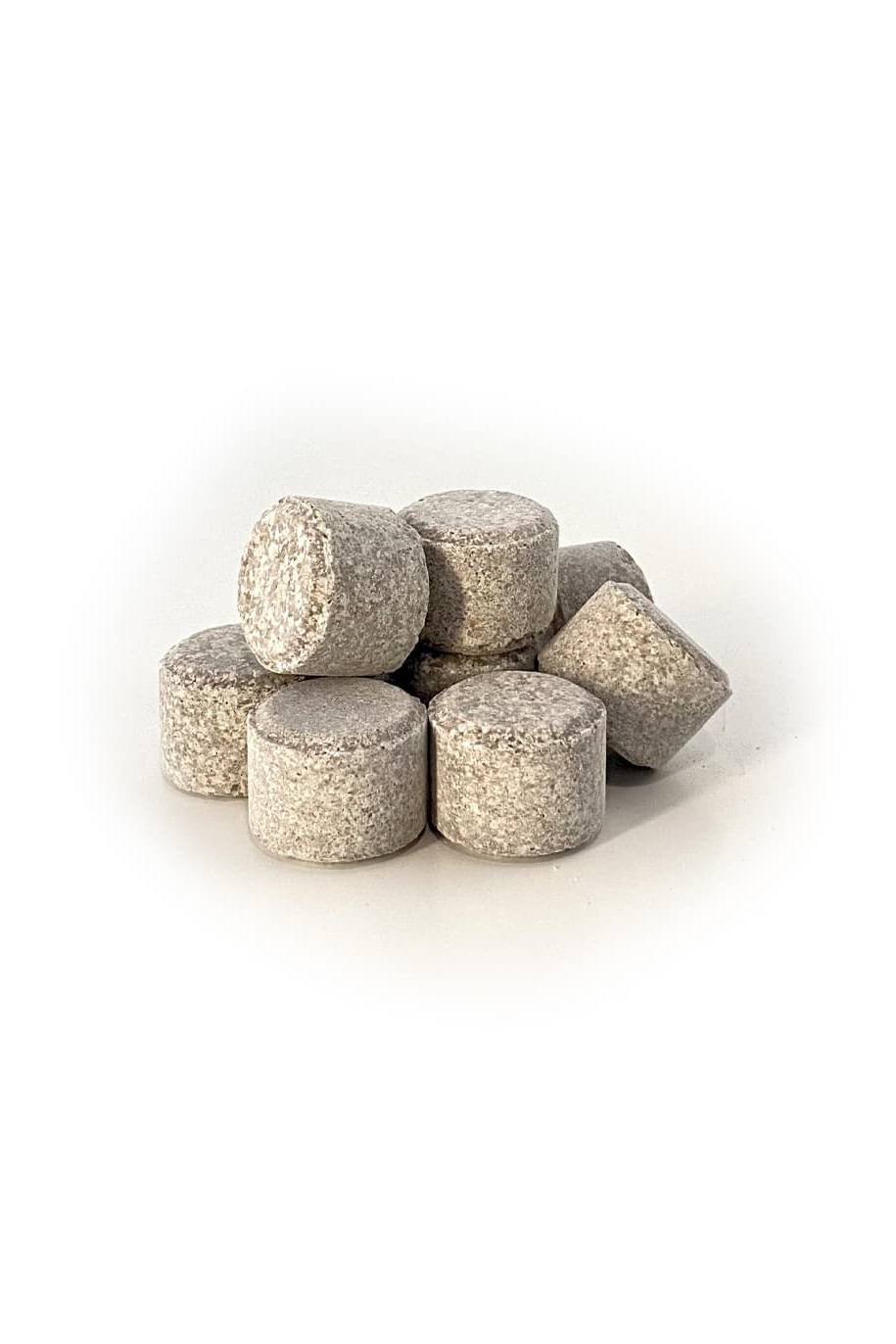
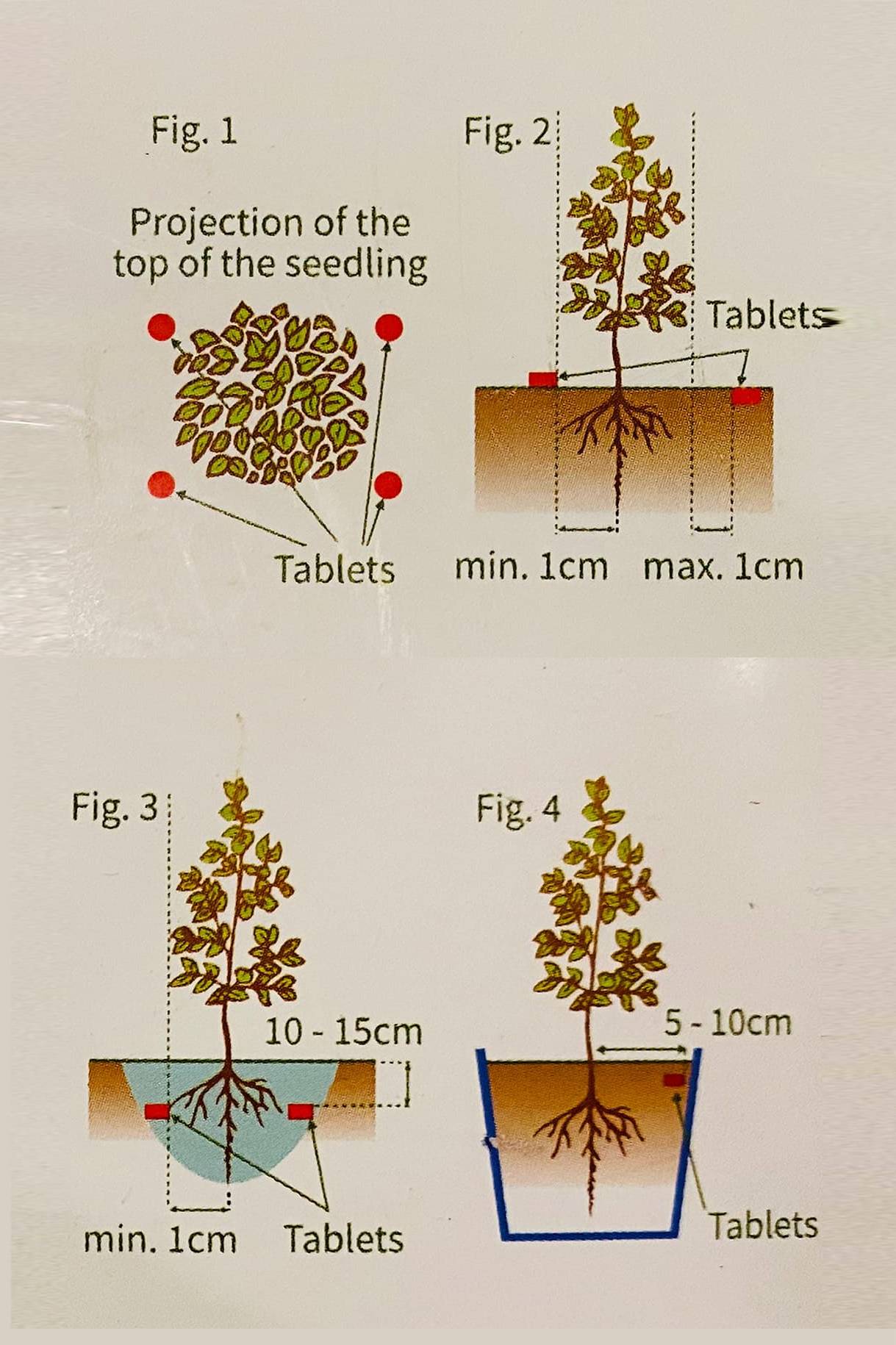
Apply liquid fertilizer once in 15 days when the plant is actively growing. For best results use Folikraft ready to use Indoor Plant Food.
Plant Bio
Dieffenbachia White Etna.... The stunning Dieffenbachia White Etna has a long, variegated foliage, and is super easy to care for - a perfect statement which is rarely offered!
Care: Dieffenbachia (dumb canes) most varieties do best in a filtered light situation but I have mine in low light and it seems very happy! Avoid hot direct sun and water lightly, remembering to check that the soil is dry an inch down before watering. You can let her dry out a little between each watering, but over watering will turn the lower leaves yellow causing root rot!
Other information:
Toxicity: The sap is toxic to pets and humans!
Difficulty: Easy
Feeding: Generally, the majority of houseplants should be fed every 2nd watering during the growing season (spring and summer). For me, it's about every 14 days, and in autumn and winter, I feed them less as indoor plants require fewer nutrients.
"Sign up for our emails and get exclusive discounts on allyour favorite plants and gardening products!"
Now we’re in this together.
Your welcome email is on the way!
You’ve subscribed to: Plantshop.ae Newsletter. You can always manage your subscriptions through the “Unsubscribe” link at the foot of each Plantshop.ae newsletter.
We use cookies to improve your experience. Privacy Policy