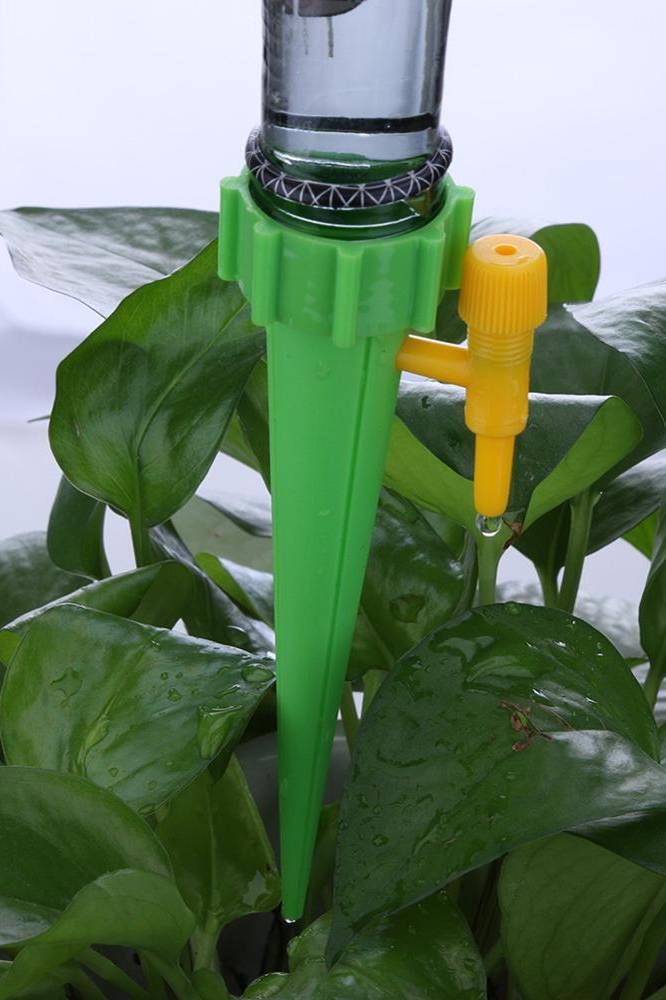
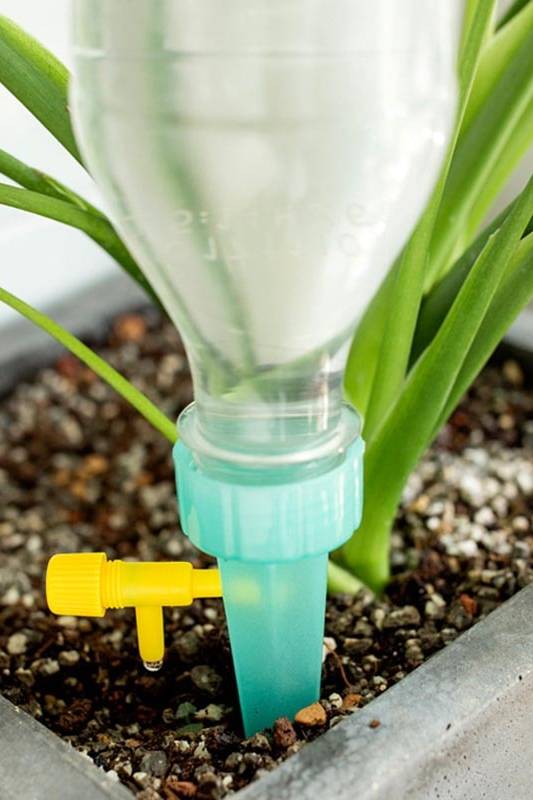
Water once a week or when the soil starts to become slightly dry at the top. Keep the soil lightly moist at all times, but do not overwater as this will cause brown spots and leaf drop. Curly or dry leaves suggest, the plant is dry and needs watering. Water in the early morning or late evening when temperatures are cooler. Always check your soil before watering.
Light
Bright indoor light or indirect sun. 6 hours to 8 hours
Temperature
Maintain temperatures between 18°C - 24°C. Avoid draughts as these can create undesirable temperature fluctuations. Consider giving your plant an occasional misting twice every week to maintain the optimum humidity level.
Fertilizer
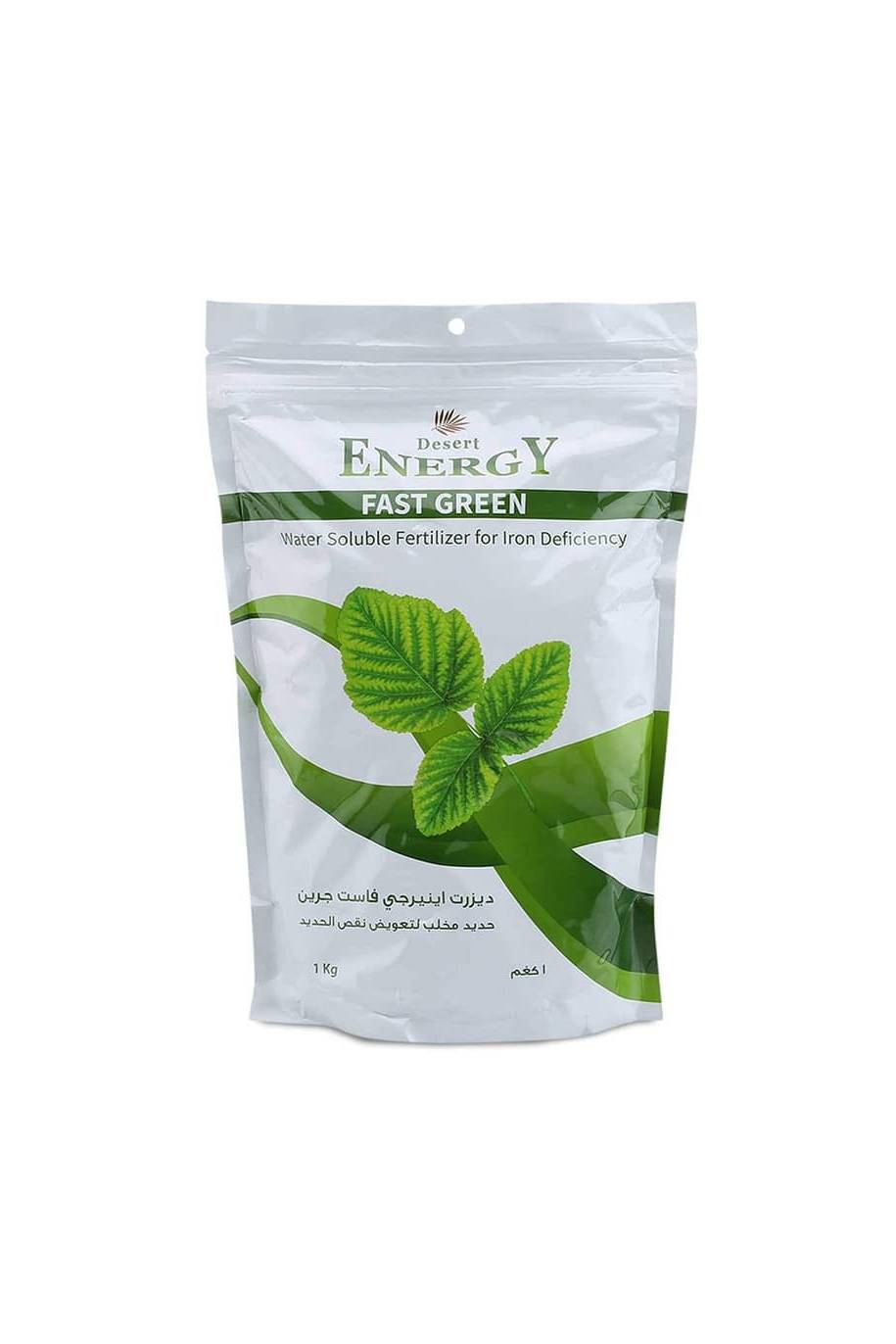
Apply liquid fertilizer once in 15 days when the plant is actively growing. For best results use Folikraft ready to use Indoor Plant Food.
Plant Bio
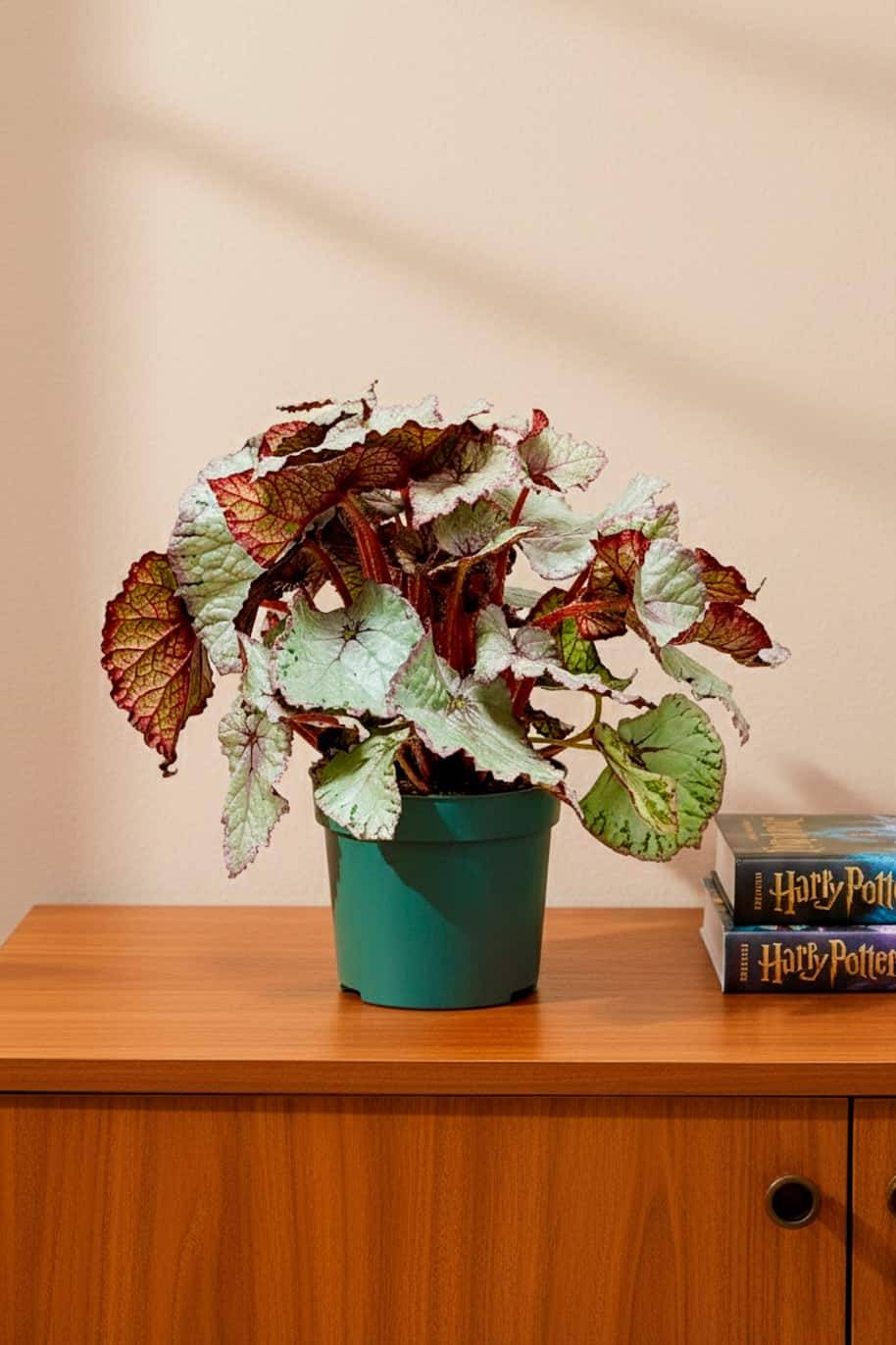
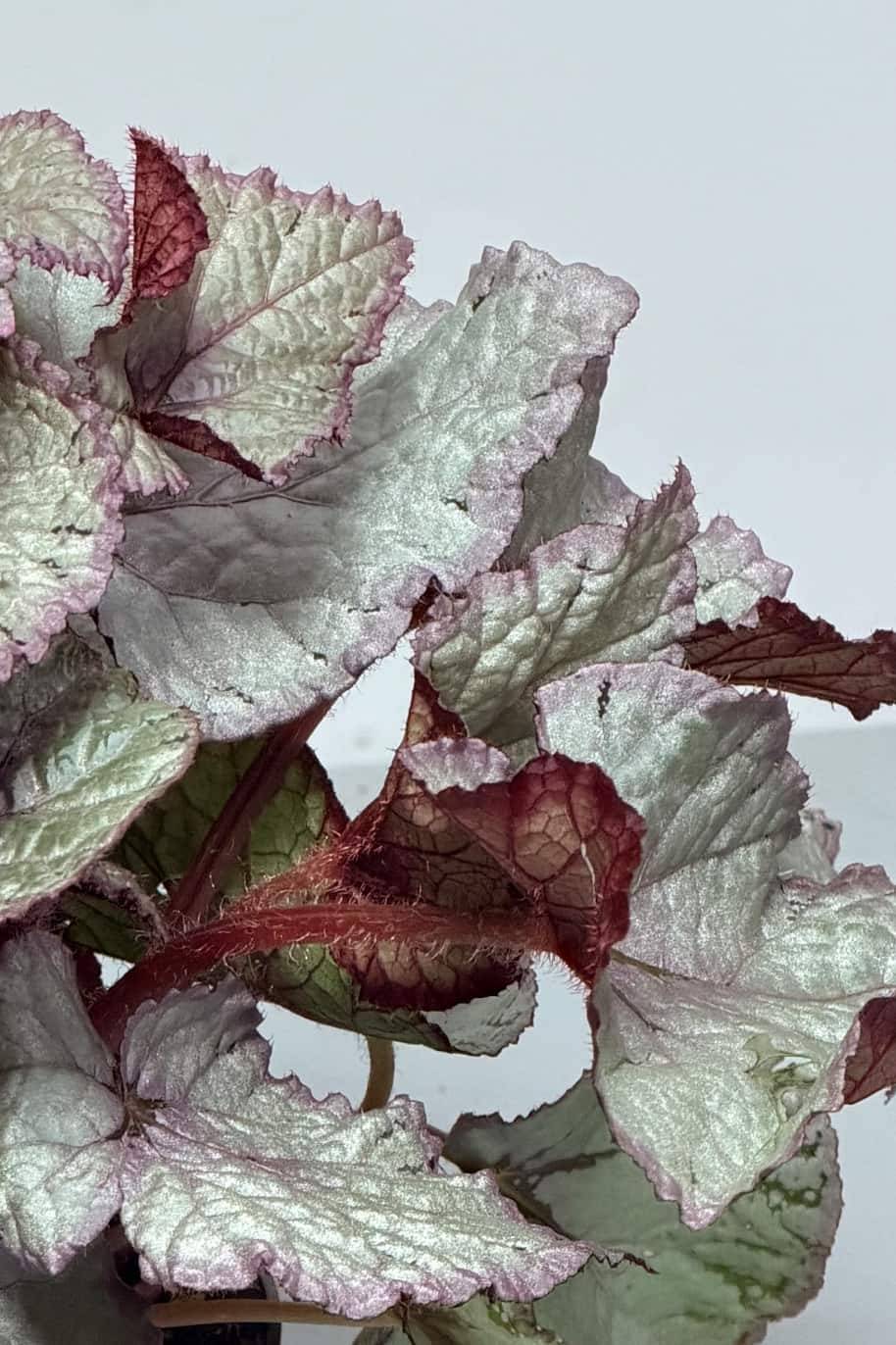
Looking so snail-like with its hand-sized, high contrast, silver and deep green variegation, 'Escargot' is a tender, but strong-growing rhizomatic rex hybrid Begonia. Forms a dense clump, 12"x12". Warmth and humidity-loving, you can grow it outdoors best in a container, when and where you have those conditions. Otherwise, grow it as a wondrous houseplant, happily resting on a pebble/humidity tray with a twice-a-week watering and regular fertilizing. Cut back to soil level to rejuvenate.
Begonia, native to Asia, is an exotic beauty plant because of their very large, glossy, heart-shaped leaves with wavy edges. These stunning, veined leaves come in red, bronze, blue-green, and purple with large visible colored dots. If you are searching for a dramatic, very different looking plant that can be as small as 6″ or as tall as a tree, Polka Dot Begonia plant is a great choice. These plants do require extra care and attention. Alocasia plants are considered poisonous and should be kept away from pets and children.
These plant need bright sunlight when grown indoors, but nothing too harsh. If you notice the leaves are looking bleached or singed, move it to a dimmer spot or add a sheer curtain. Polka plants like to stay consistently moist, but not soggy. Be especially careful with watering if you use a pot without drainage holes. Always test the soil with your finger first. Humidity is also important to elephant ears, so it’s a good idea to set the pot in a saucer of water elevated by pebbles. (The pebbles will prevent the roots from sitting directly in the water, which will cause rotting.) Fertilize them every two weeks with an all-purpose liquid fertilizer. Stop fertilizing in winter to allow your plant to rest.
"Sign up for our emails and get exclusive discounts on allyour favorite plants and gardening products!"
Now we’re in this together.
Your welcome email is on the way!
You’ve subscribed to: Plantshop.ae Newsletter. You can always manage your subscriptions through the “Unsubscribe” link at the foot of each Plantshop.ae newsletter.
We use cookies to improve your experience. Privacy Policy