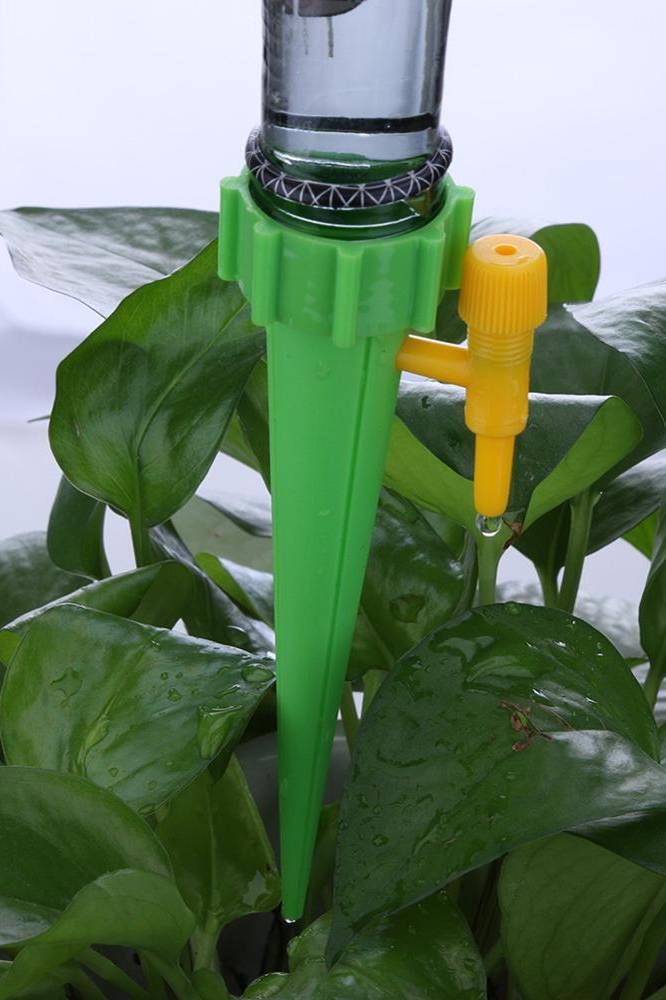
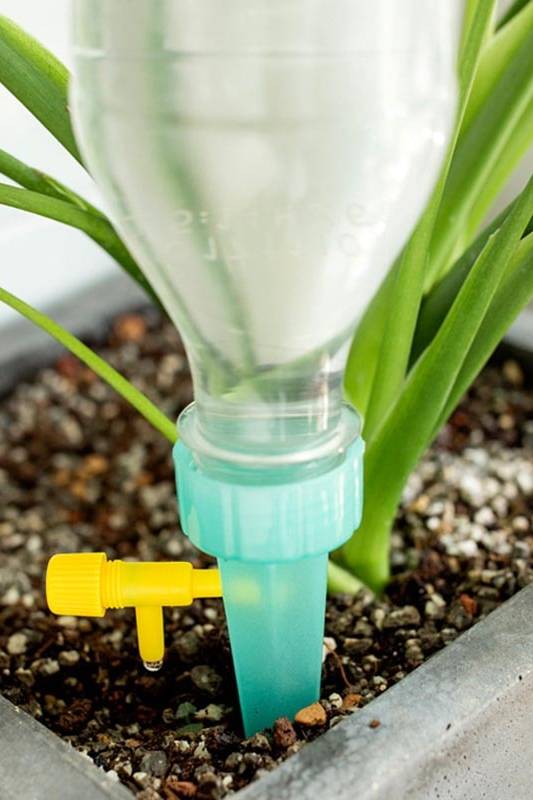
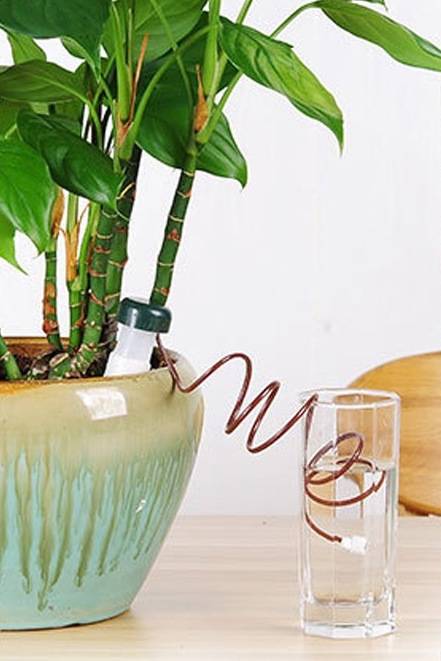
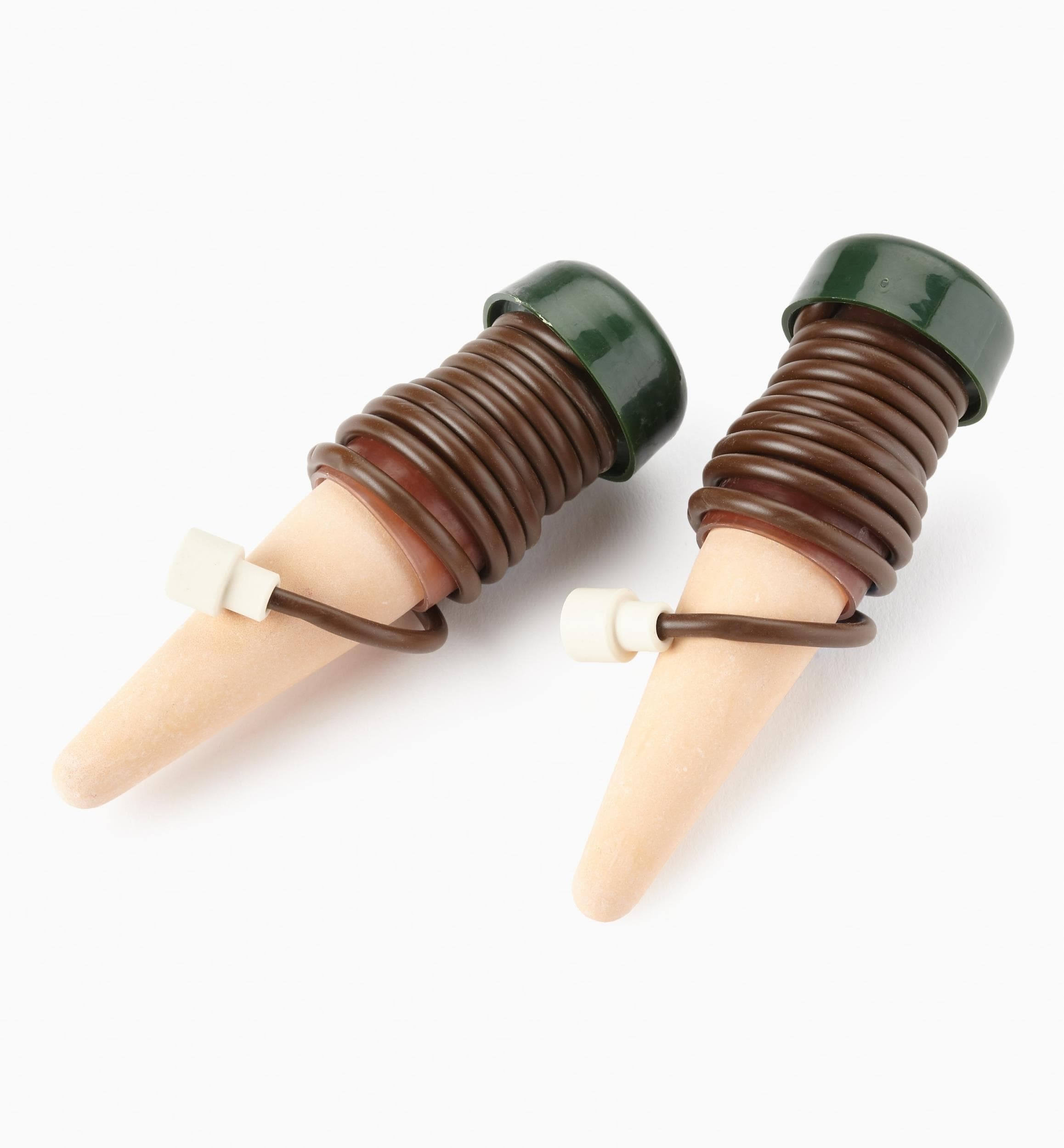
Water once a week or when the soil starts to become slightly dry at the top. Keep the soil lightly moist at all times, but do not overwater as this will cause brown spots and leaf drop. Curly or dry leaves suggest, the plant is dry and needs watering. Water in the early morning or late evening when temperatures are cooler. Always check your soil before watering.
Light
Bright indoor light or indirect sun. 6 hours to 8 hours
Temperature
Maintain temperatures between 18°C - 24°C. Avoid draughts as these can create undesirable temperature fluctuations. Consider giving your plant an occasional misting twice every week to maintain the optimum humidity level.
Fertilizer
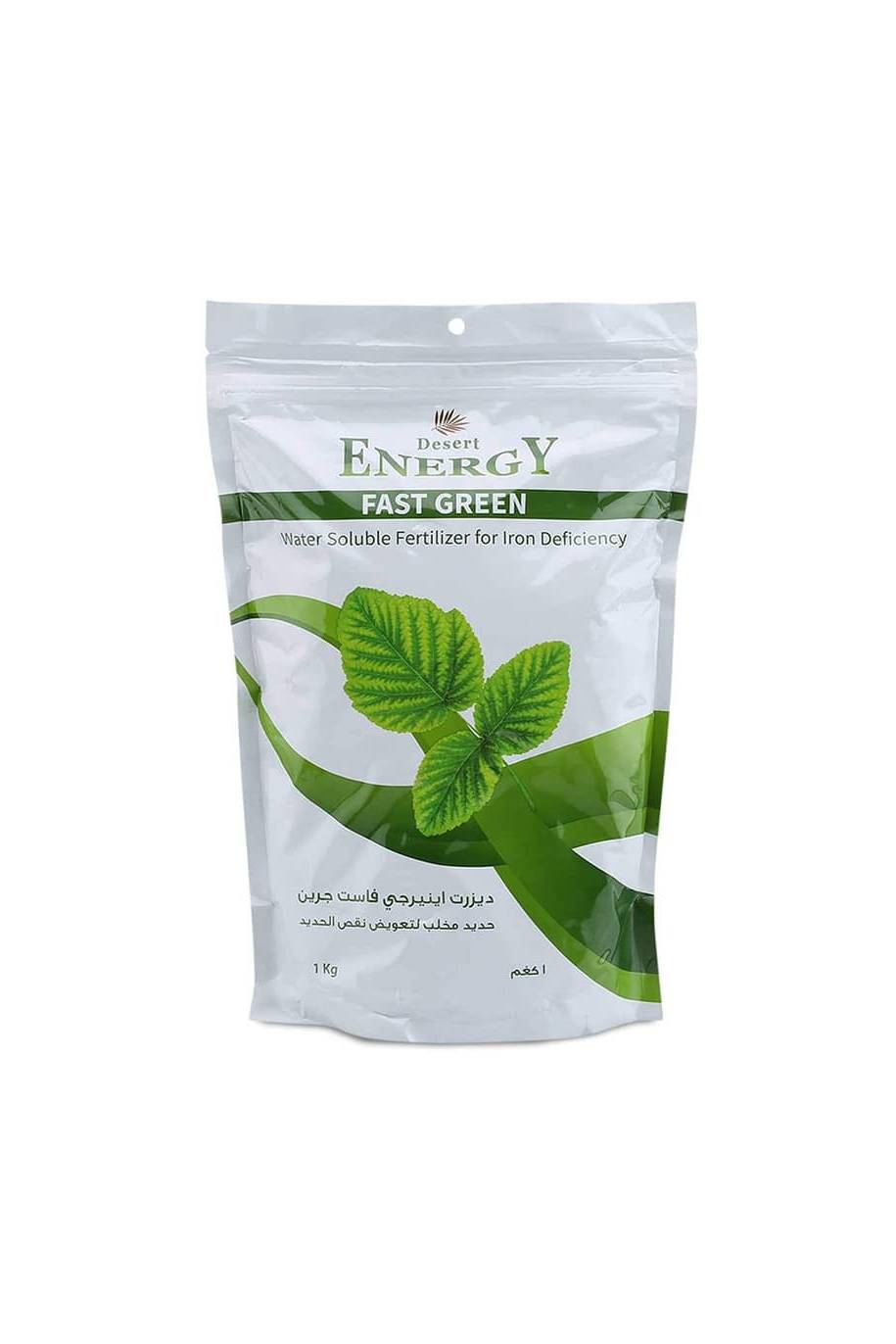
Apply liquid fertilizer once in 15 days when the plant is actively growing. For best results use Folikraft ready to use Indoor Plant Food.
Plant Bio
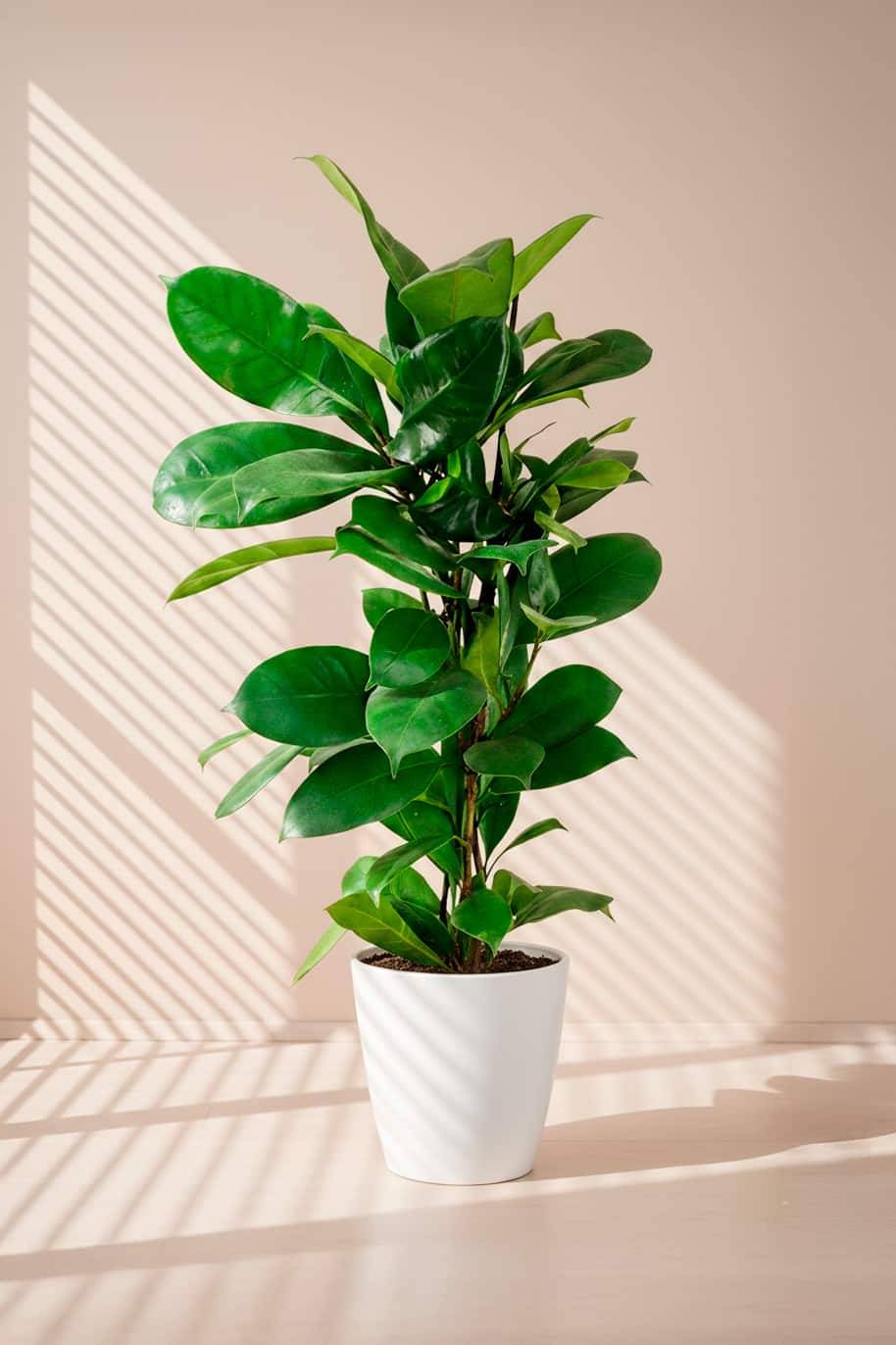
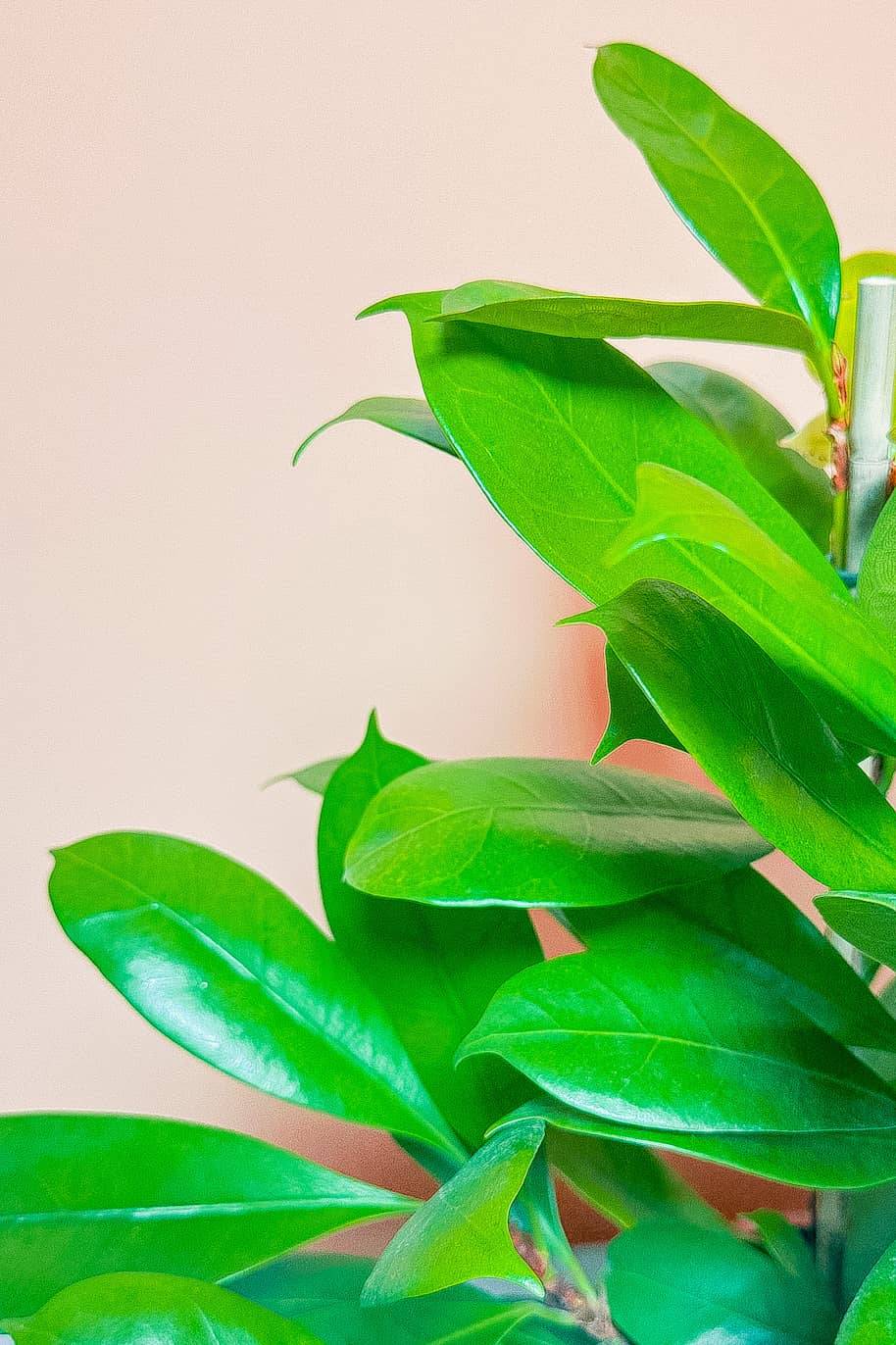
The African Fig has dense, luscious, deep green foliage with large, leathery, tumbler-shaped leaves. It is a vigorous species of Ficus and can tolerate dry air and shady conditions better than others. It branches readily and its dark, flaky bark gives rise to its alternative common name of Birchbark Fig.
Ficus cyathistipula - African Fig Care & Info Guide
Light
Ficus cyathistipula prefers bright, indirect light but can tolerate partial shade. Direct sunlight is best avoided however, as it may burn the leaves.
Watering
Water when the soil starts to become slightly dry at the top. Keep the soil lightly moist at all times, but do not overwater as this will cause leaf drop.
Temperature
The African Fig does well in normal household temperatures, but prefers slightly warmer conditions: around 16-24°C. Avoid cold draughts.
Humidity
This Ficus has no specific humidity requirements, although your Fig will benefit from an occasional misting.
Feed
Apply a weak dose of fertiliser once or twice a month during the growing season.
Height & Growth Rate
The African Fig is fast-growing in optimum conditions, typically rising to an ultimate height of 4 metres, but can be contained indoors.
Toxicity
Considered poisonous due to the latex in the sap, therefore keep away from children and animals. Avoid this plant if you have a latex allergy. Contains allergens that may result in asthma symptoms.
Air Purifying
This plant filters airborne toxins and is part of our clean air plant collection.
Origin
Ficus cyathistipula is native to the tropical forest regions of Africa.
Frequently Asked Questions
To care for an African Fig indoors in the UAE, provide bright indirect light and keep the soil lightly moist. Avoid direct sunlight, especially in summer, as it can scorch the leaves. This plant thrives in normal household temperatures.
An African Fig needs bright, indirect light indoors and can tolerate partial shade. Avoid direct sunlight, particularly during the UAE summer, to prevent leaf burn.
Water your African Fig when the topsoil starts to dry out, keeping the soil lightly moist but not soggy. Overwatering can lead to leaf drop, so it's important to balance moisture levels.
The African Fig plant is considered poisonous due to the latex in its sap, so it should be kept away from children and pets. It may also cause asthma symptoms in sensitive individuals.
Use Folikraft Indoor Plant Food for your African Fig plant, applying a weak dose once or twice a month during the growing season. This will support healthy growth and lush foliage.
Yes, you can have the African Fig plant delivered anywhere in the UAE when you purchase from Plantshop.me. Enjoy the convenience of home delivery for your indoor plant needs.
"Sign up for our emails and get exclusive discounts on allyour favorite plants and gardening products!"
Now we’re in this together.
Your welcome email is on the way!
You’ve subscribed to: Plantshop.ae Newsletter. You can always manage your subscriptions through the “Unsubscribe” link at the foot of each Plantshop.ae newsletter.
We use cookies to improve your experience. Privacy Policy