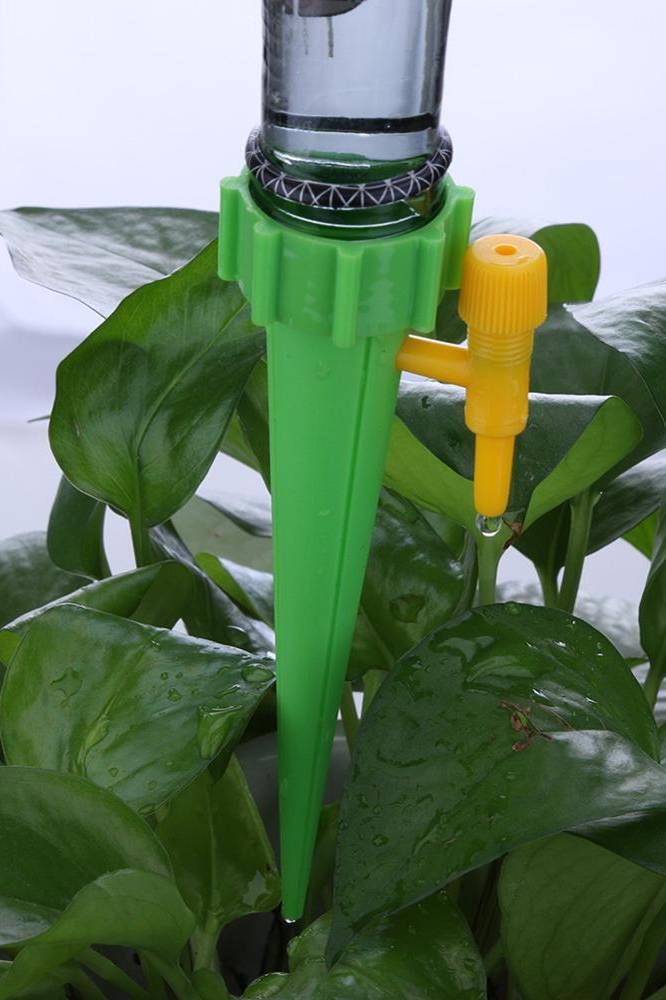
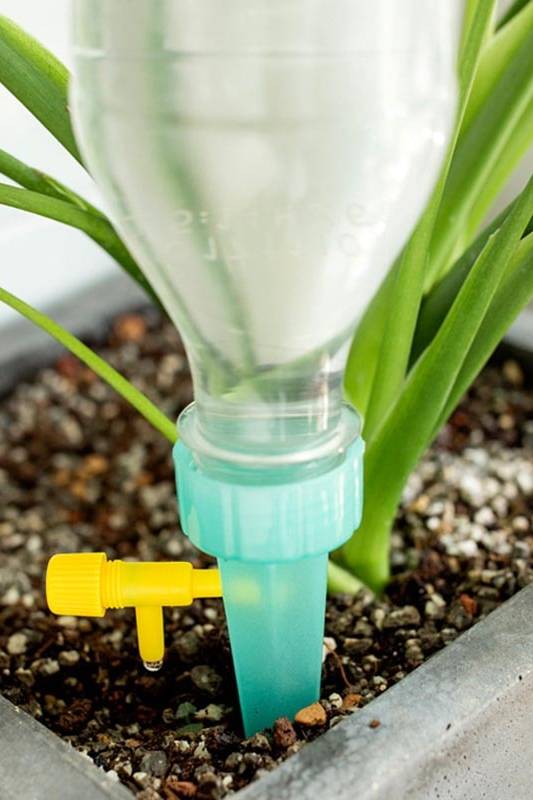
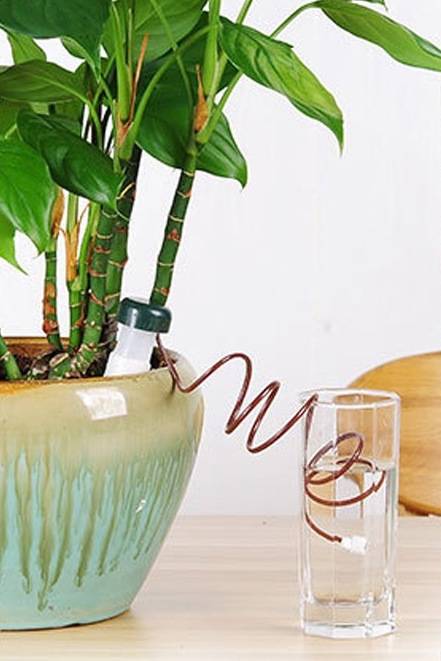
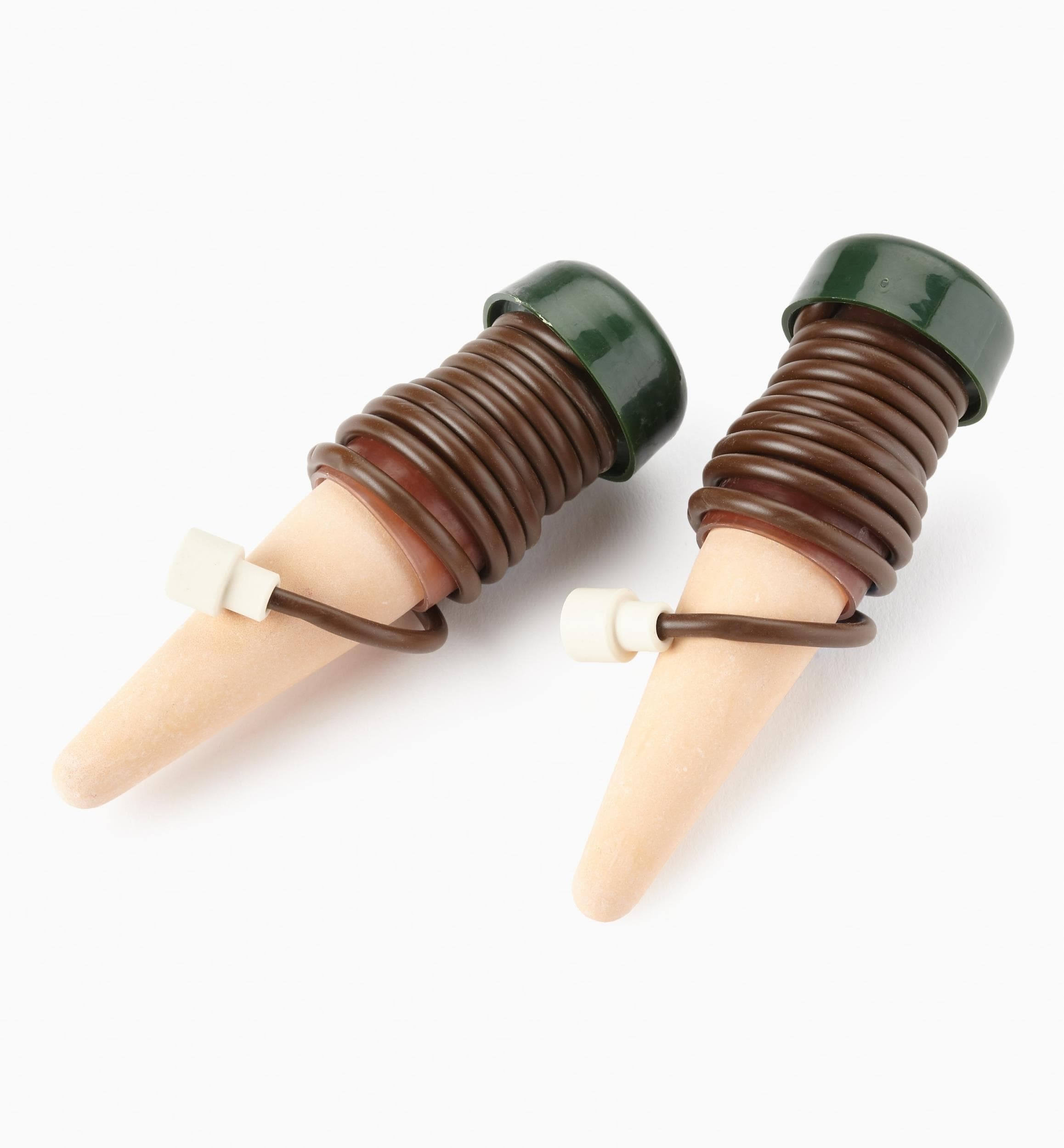
Water once a week or when the soil starts to become slightly dry at the top. Keep the soil lightly moist at all times, but do not overwater as this will cause brown spots and leaf drop. Curly or dry leaves suggest, the plant is dry and needs watering. Water in the early morning or late evening when temperatures are cooler. Always check your soil before watering.
Light
Bright indoor light or indirect sun. 6 hours to 8 hours
Temperature
Maintain temperatures between 18°C - 24°C. Avoid draughts as these can create undesirable temperature fluctuations. Consider giving your plant an occasional misting twice every week to maintain the optimum humidity level.
Fertilizer
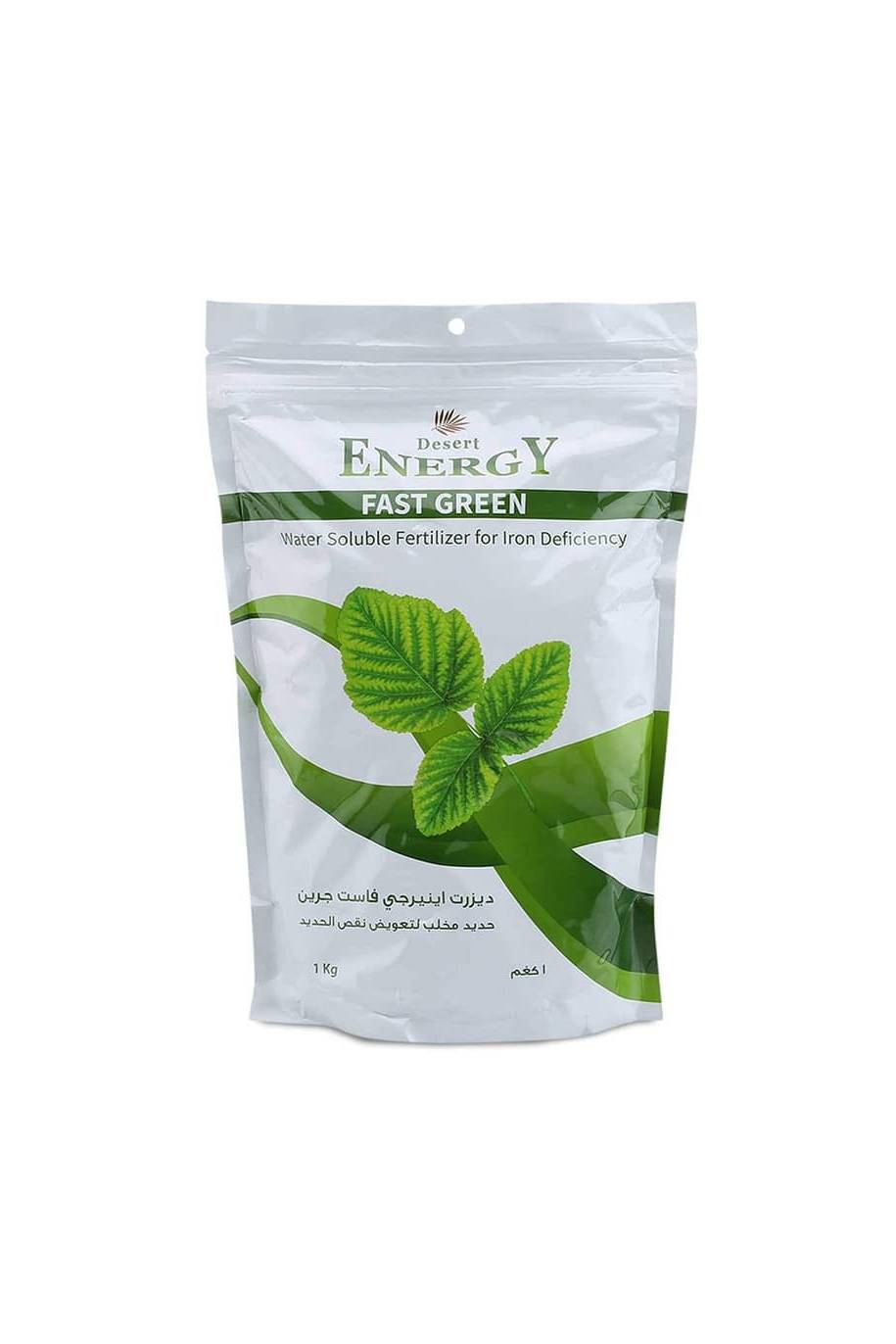
Apply liquid fertilizer once in 15 days when the plant is actively growing. For best results use Folikraft ready to use Indoor Plant Food.
Plant Bio
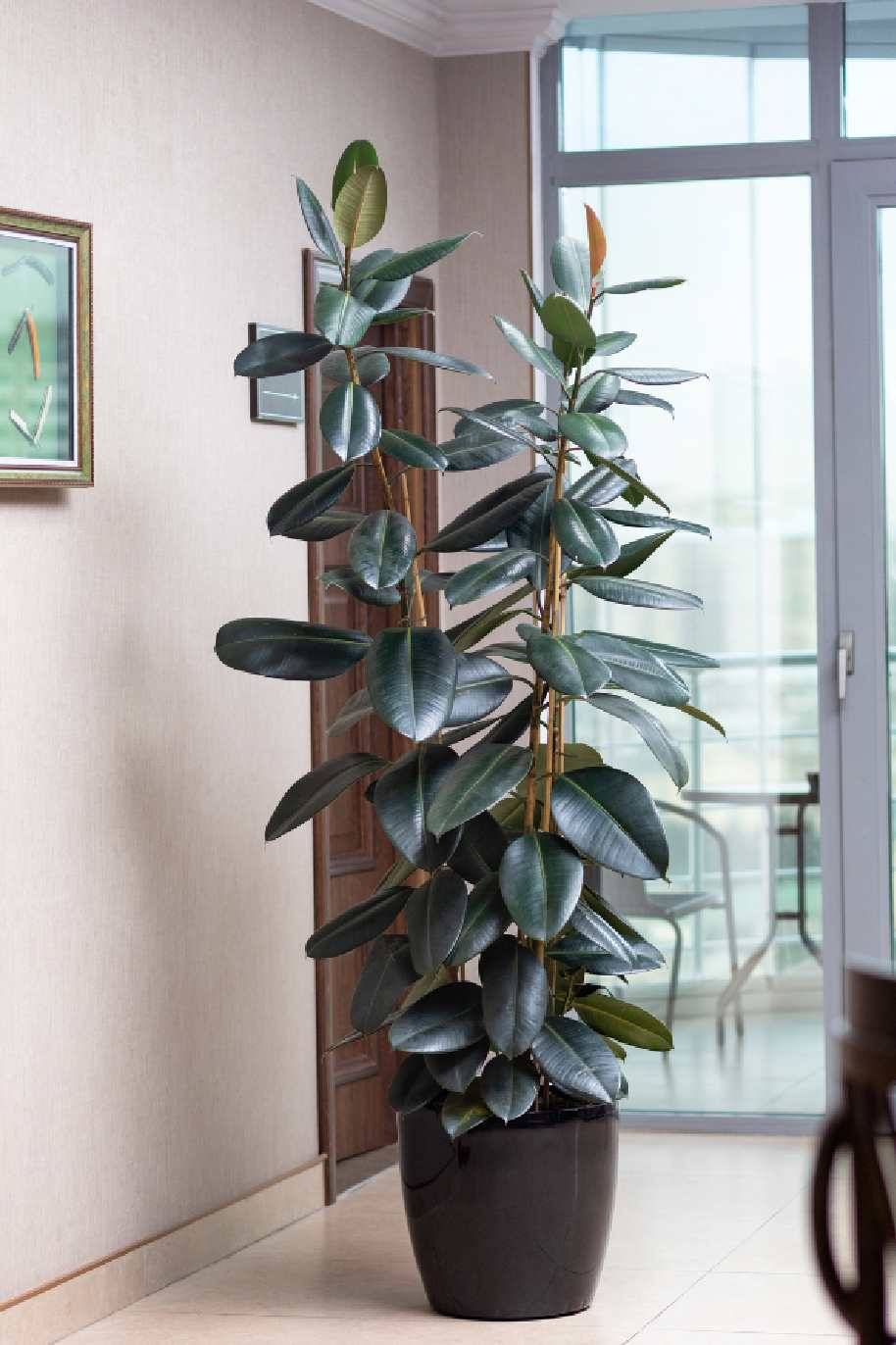
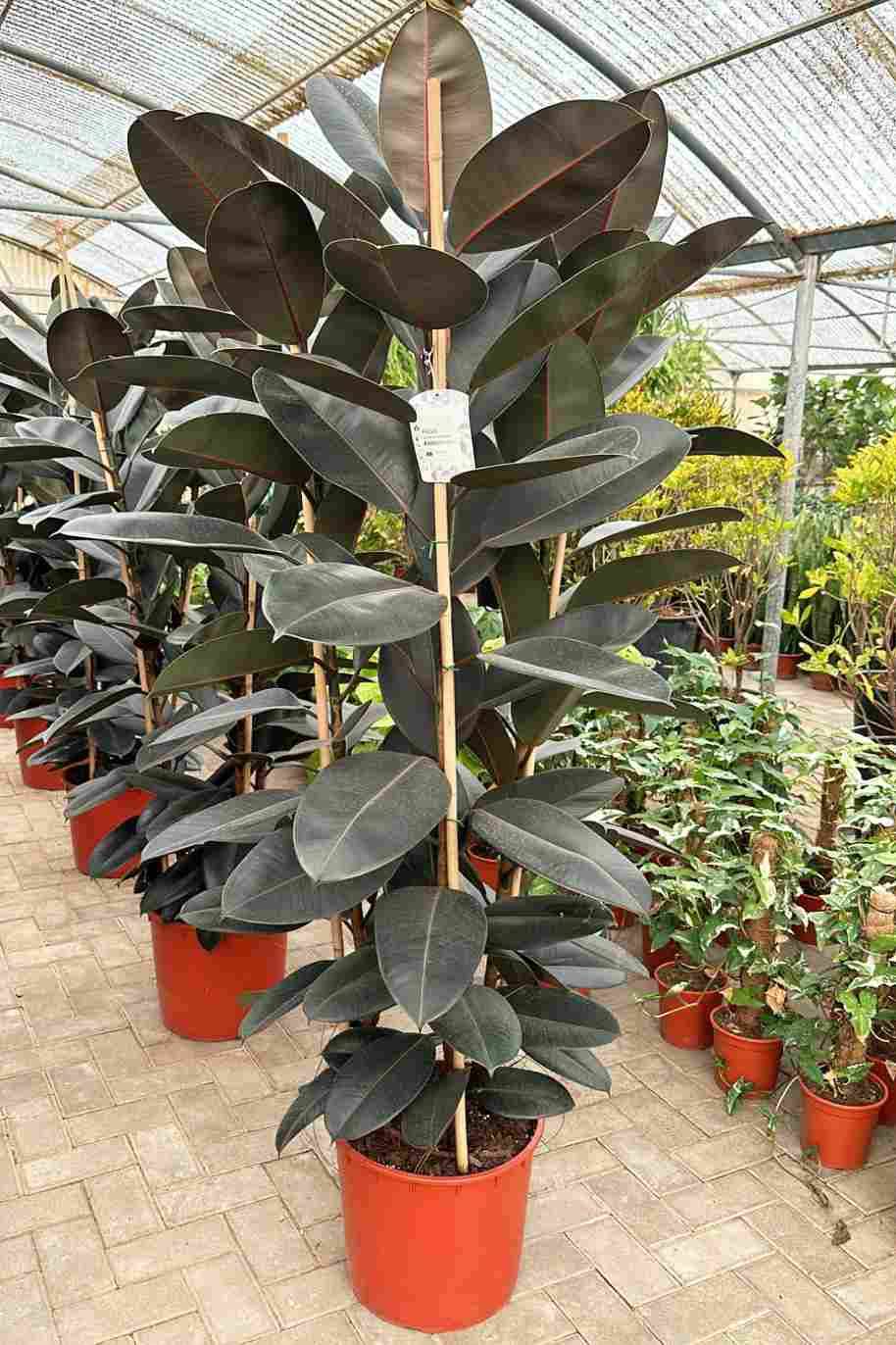
The Rubber Plant (Ficus elastica), also known as the Rubber Tree, is a popular indoor plant that belongs to the fig family (Moraceae). It is valued for its attractive, broad, glossy leaves and its ability to adapt to a variety of indoor conditions. Here's a description and care guide for the Rubber Plant:
Description:
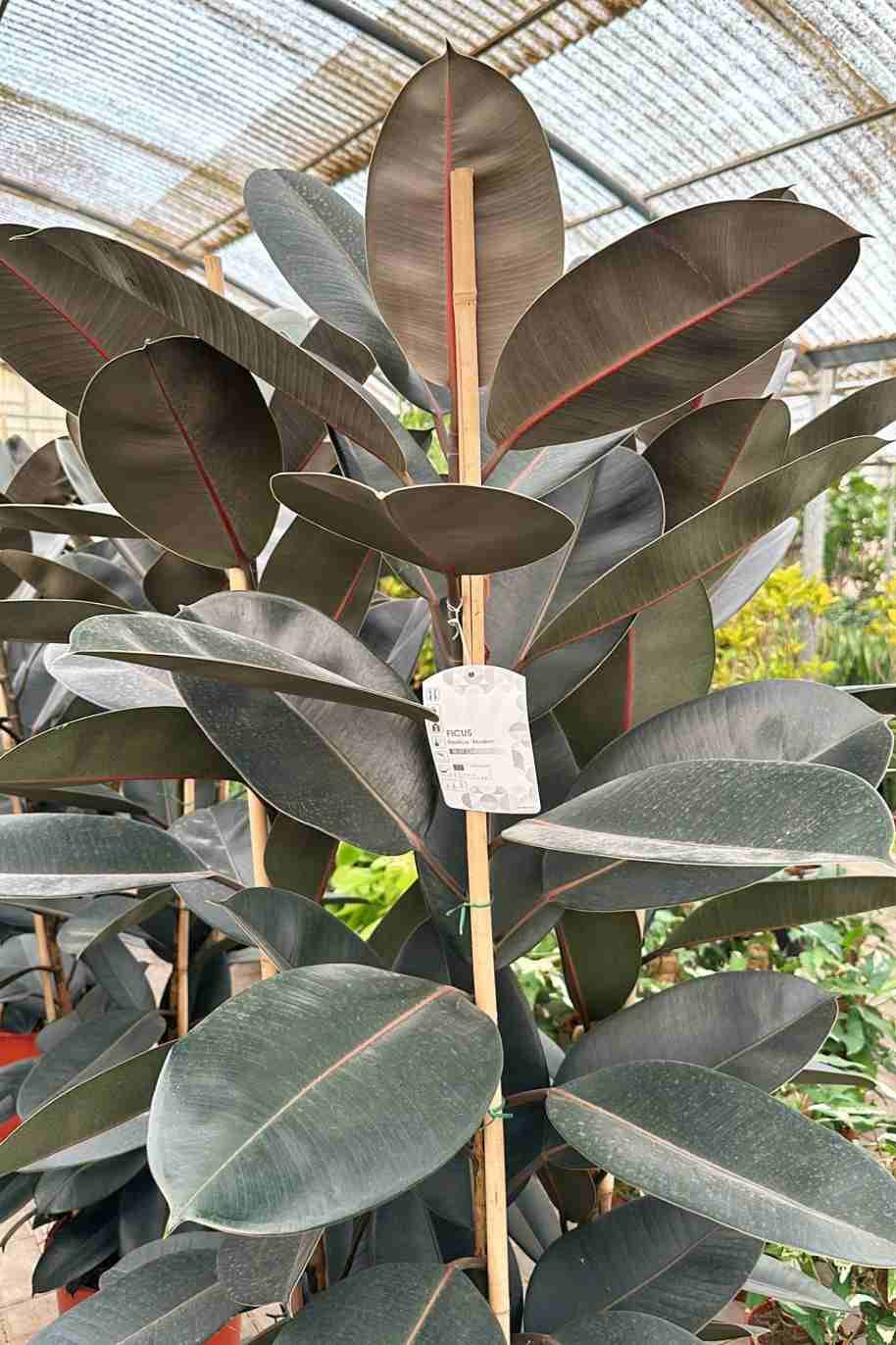
Leaves: The Rubber Plant features large, elliptical leaves that are typically dark green and have a glossy texture. Some cultivars may have variations in leaf color and pattern.
Size: In its native habitat, the Rubber Plant can grow quite tall, reaching heights of over 100 feet. However, when grown as an indoor plant, it is typically maintained to a more manageable height, and it can be pruned to encourage a bushier appearance.
Growth Habit: The plant has an upright growth habit, and as it matures, it may develop an attractive woody trunk.
Foliage Arrangement: Leaves are arranged alternately along the stems, and new growth often emerges as a reddish or bronze color.
Flowers: Rubber Plants can produce small, inconspicuous flowers, but they are rarely seen when the plant is grown indoors. The primary ornamental feature is the foliage.
Care Guide for Rubber Plant:
Light:
Indoor Light: Place your Rubber Plant in bright, indirect light. It can tolerate some direct sunlight but should be protected from harsh afternoon sun. Outdoor Light: If grown outdoors, provide filtered light or partial shade.
Temperature:
Rubber Plants prefer temperatures between 60°F to 75°F (15°C to 24°C) during the day and should not be exposed to temperatures below 50°F (10°C).
Watering:
Allow the top inch of the soil to dry out before watering. Overwatering can lead to root rot, so it's crucial to maintain a balanced watering routine. Reduce watering in the winter when the plant's growth slows.
Humidity:
While Rubber Plants can adapt to average indoor humidity, they appreciate higher humidity levels. Provide occasional misting or place the pot on a tray filled with water and pebbles.
Soil:
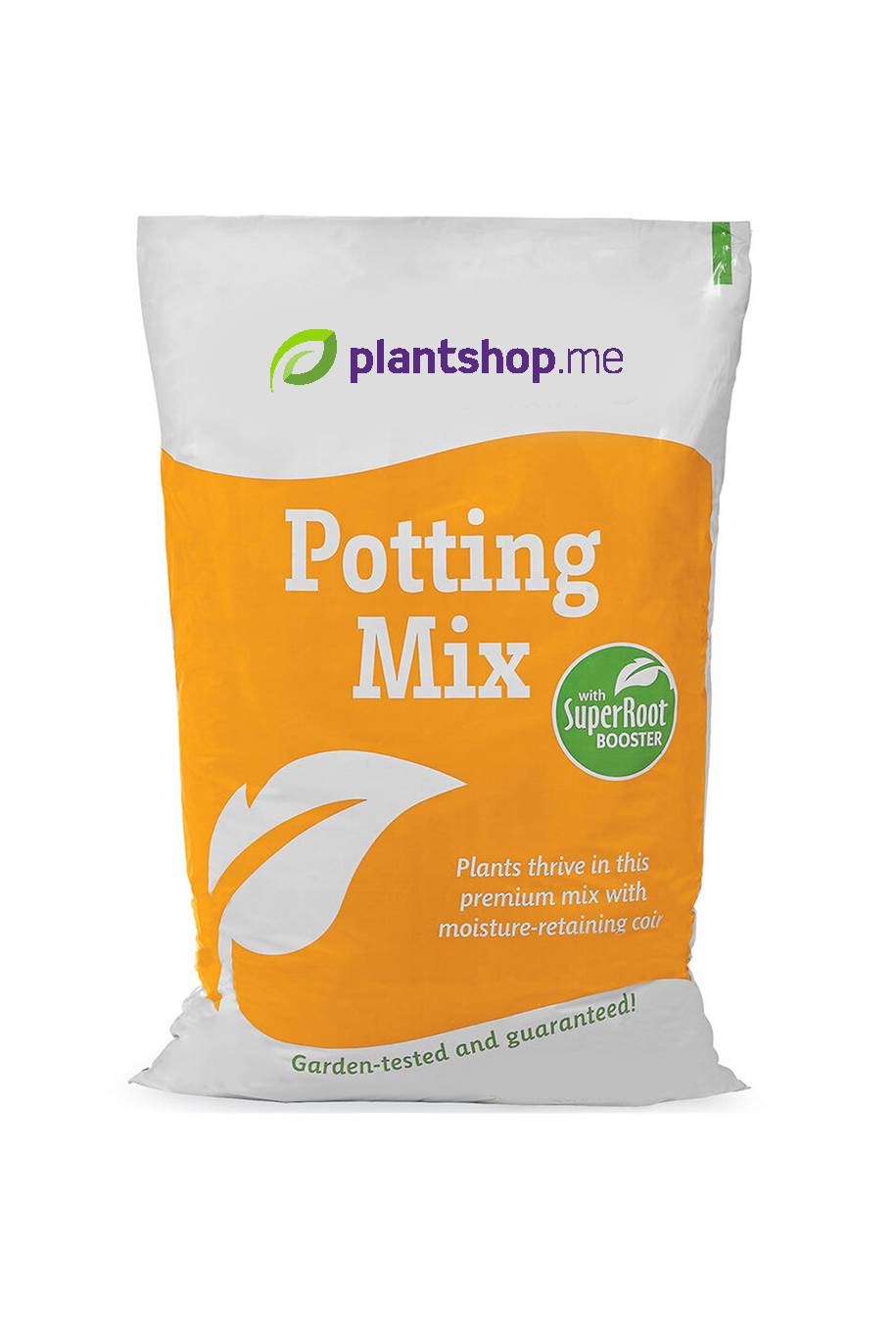
Use a well-draining, aerated potting mix. A mix formulated for houseplants or tropical plants is suitable.
Fertilization:
Feed your Rubber Plant with a balanced liquid fertilizer during the growing season (spring and summer). Reduce or withhold fertilizer in the fall and winter.
Pruning:
Prune your Rubber Plant to control its size and shape. Regular pruning can encourage branching and create a fuller, bushier appearance.
Pest Control:
Keep an eye out for common houseplant pests such as scale, mealybugs, and spider mites. Treat any infestations promptly.
Repotting:
Repot your Rubber Plant when it outgrows its current container or when the soil becomes depleted. Spring is usually a good time for repotting.
Propagation:
Rubber Plants can be propagated through stem cuttings. Take cuttings with several inches of stem, allow them to root in water or soil, and then transplant.
Support:
Provide support for tall or leggy stems by staking them to maintain an upright growth habit.
The Rubber Plant is a relatively low-maintenance and adaptable indoor plant. With proper care, it can add a touch of greenery and elegance to your indoor space. Adjust care practices based on the specific needs of your plant and your local indoor conditions.
Frequently Asked Questions
To care for a Rubber Plant indoors in the UAE, place it in bright, indirect light and maintain temperatures between 15°C to 24°C. Water when the top inch of soil is dry and ensure good humidity levels by misting occasionally.
A Rubber Plant needs bright, indirect light indoors in the UAE. Avoid direct sunlight, especially during the harsh summer months, to prevent scorching of the leaves.
Water your Rubber Plant when the top inch of soil is dry. Overwatering can cause root rot, so it's crucial to maintain a balanced watering routine, especially in the UAE's climate.
The Rubber Plant (Ficus elastica) is mildly toxic if ingested by pets and children. It can cause irritation and stomach discomfort, so it's best to keep it out of reach.
Use Folikraft Indoor Plant Food for your Rubber Plant, available at Plantshop.me. This balanced fertilizer supports healthy growth during the spring and summer months.
Yes, Plantshop.me offers home delivery for Rubber Plants across the UAE. You can conveniently order online and have your plant delivered to your doorstep.
"Sign up for our emails and get exclusive discounts on allyour favorite plants and gardening products!"
Now we’re in this together.
Your welcome email is on the way!
You’ve subscribed to: Plantshop.ae Newsletter. You can always manage your subscriptions through the “Unsubscribe” link at the foot of each Plantshop.ae newsletter.
We use cookies to improve your experience. Privacy Policy