Buy Pumpkin Kent F1 Hybrid Seeds - Plantshop.me UAE
Dismiss


-
United Arab Emirates
-
Bahrain

-
Saudi Arabia

-
Kuwait

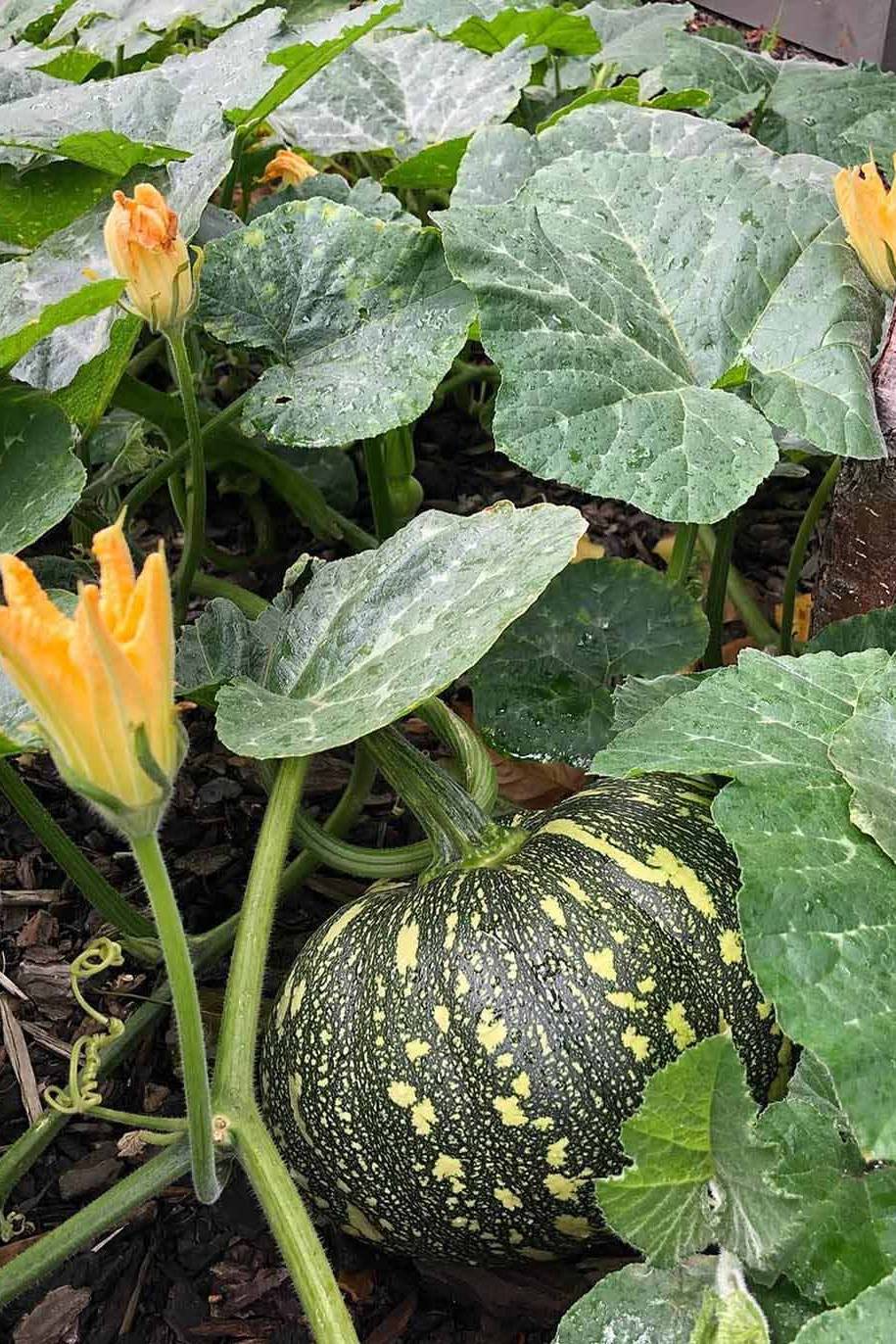
Pumpkin Kent F1 Hybrid Seeds
PS Seeds
SKU 3199
AED 13
Qty
Choose your delivery location
Product Bio
Pick a day after the last frost to sow seeds directly in the ground. Each seed packet will list how long on average the plant needs to produce full-grown pumpkins ("Days for Maturity"). For example, Small Sugar Pumpkins need 100 days to reach maturity. If you wanted them to ripen about a week before Halloween, then plan on planting them in mid-July.
Select a full-sun spot and space out the seeds based on the recommendations provided on the packet. Pumpkin vines can sprawl quite far, although there are some "bush" varieties that grow in a more compact form.
If you're feeling ambitious, plant the seeds in pumpkin "hills" — mounds of dirt slightly raised off of the ground. "The hills tend to warm up faster and they drain water faster than just planting them flat on the ground," Lerner says. "It gets the plant up and allows the long vines to cascade down a bit."
Most vegetable crops need a deep yet gentle soaking once per week — about an inch of water at a time. Adjust based on rainfall accordingly. Note: Pumpkin leaves can look wilted in the afternoon heat, even if the soil is still moist. Resist the temptation to douse the dirt even more if the foliage perks back up again in the evening or under cloud cover, as overwatering can contribute to root rot. Mulching your beds will help keep pumpkin plants more consistently hydrated and also tamp down weeds.
In general, you do not need to prune your vines. Big leaves help them produce more carbohydrates, which mean more pumpkins. Some people will thin their plants to one or two fruits each in order to grow giant prize pumpkins, but everyday backyard gardeners can skip this step.
Pumpkins are heavy feeders. Using an all-purpose vegetable garden fertilizer (not one designed for lawns) can provide them with the right food they need. It's also a good idea to test your soil every couple of years. The results will reveal what type of dirt you're dealing with — including the pH and nutrient levels — and help you plan accordingly.
Frequently Asked Questions
Plant Pumpkin Kent F1 Hybrid Seeds after the last frost in a full-sun spot. Sow them directly in the ground, spacing them as recommended on the packet, and consider using raised 'hills' for better drainage and warmth.
Pumpkin Kent F1 Hybrid plants need a deep yet gentle soaking once per week, about an inch of water. Adjust based on rainfall, and avoid overwatering to prevent root rot, especially if leaves wilt in afternoon heat but recover later.
Use an all-purpose vegetable garden fertilizer for Pumpkin Kent F1 Hybrid plants. Avoid fertilizers designed for lawns, as pumpkins are heavy feeders and require specific nutrients to thrive.
Grow Pumpkin Kent F1 Hybrid plants in a full-sun location with ample space for sprawling vines. Consider planting on raised 'hills' to improve drainage and warmth, enhancing plant growth and pumpkin production.
Pumpkin Kent F1 Hybrid plants are generally safe for pets and children. However, it's always best to supervise interactions and consult with a veterinarian or pediatrician if any concerns arise.
Pumpkin Kent F1 Hybrid plants typically need around 100 days to reach maturity. Plan your planting schedule accordingly to ensure pumpkins ripen at the desired time, such as a week before Halloween.

Join Now to Receive Exclusive Deals!
"Sign up for our emails and get exclusive discounts on all your favorite plants and gardening products!"
Now we’re in this together.
Your welcome email is on the way!
You’ve subscribed to: Plantshop.ae Newsletter.
You can always manage your subscriptions through the “Unsubscribe” link at the foot of each Plantshop.ae newsletter.