During summer, Water daily or when the soil starts to become slightly dry at the top. During Winter season water once in 2 days or when the soil starts to become slightly dry at the top. Keep the soil lightly moist at all times, but do not overwater as this will cause brown spots and leaf drop. Curly or dry leaves suggest, the plant is dry and needs watering. Water in the early morning or late evening when temperatures are cooler. Always check your soil before watering.
Light
During summer season keep the plants in shaded area and during winter season plants can withstand direct/indirect light.
Temperature
During summer season or when the temperature is above 45°C place the plant in shaded area. During winter season or the when the temperature is below 45°C the plants can be directly placed in direct/indirect sunlight.
Fertilizer
Apply liquid fertilizer or slow release fertilizer once in 15 days. Always fertilizer the plants during the morning hours when the temperature is low. For best results use Folikraft ready to use Outdoor Plant Food / Flower Booster.
Plant Bio
The Elephant Creeper, scientifically known as Argyreia nervosa, is a fast-growing climbing vine known for its large, attractive leaves and unique trumpet-shaped flowers. It's commonly grown for its ornamental value and is also known for its psychoactive properties due to the presence of certain alkaloids in its seeds. Here's a description and care guide for the Elephant Creeper plant:
Description:
Leaves: The leaves of the Elephant Creeper are large, heart-shaped, and often deeply lobed. They are typically dark green and can reach up to 8 inches (20 cm) in width. The leaves have prominent veins and a slightly fuzzy texture.
Flowers: The plant produces funnel-shaped flowers that can be quite striking. The flowers are typically white or pale pink and have a contrasting darker throat. They are about 2-3 inches (5-7.5 cm) in diameter and are borne in clusters.
Vines: Elephant Creeper is a climbing vine that can reach significant lengths, often exceeding 10 feet (3 meters) in optimal conditions. It uses twining tendrils to climb and may require support, such as a trellis or fence, to grow vertically.
Seeds: The seeds of Argyreia nervosa are small, dark, and round. They are known for their psychoactive properties and have been used in traditional medicine and for shamanic rituals in some cultures. However, these seeds can be toxic if consumed in large quantities and should be handled with care.
Care:
Sunlight: Elephant Creeper plants thrive in full sunlight. Provide them with at least 6-8 hours of direct sunlight per day to encourage vigorous growth and blooming.
Temperature: This plant prefers warm and tropical climates. It is not frost-tolerant and should be protected from cold temperatures. In regions with cold winters, consider growing it as an annual or in containers that can be brought indoors during the winter.
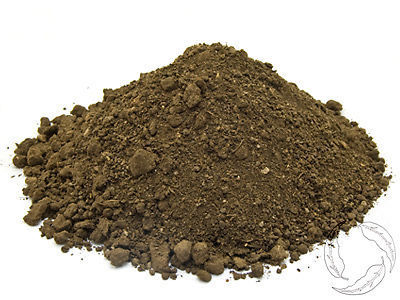
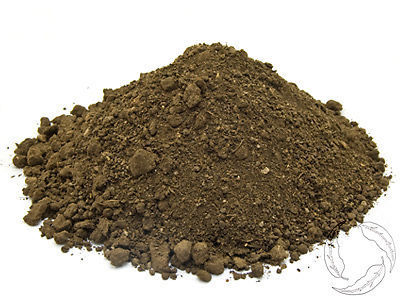
Soil: Plant Elephant Creeper in well-draining soil that is rich in organic matter. A slightly acidic to neutral soil pH is ideal. Good drainage is crucial to prevent waterlogged roots.
Watering: Keep the soil consistently moist but not soggy. Water thoroughly when the top inch (2.5 cm) of the soil feels dry to the touch. Reduce watering during the dormant period or in cooler weather.
Fertilization: Feed your Elephant Creeper with a balanced, liquid fertilizer every 4-6 weeks during the growing season (spring to early autumn). Reduce or stop fertilization during the dormant period.
Pruning: Prune the vine as needed to control its growth and shape. Regular pruning can also encourage bushier growth and more flowers.
Support: Since it's a climbing vine, provide a trellis, arbor, or other support structure for the plant to grow on. Train the vines as they grow to prevent overcrowding.
Pests and Diseases: Elephant Creeper is generally not prone to serious pest or disease issues. However, watch for common garden pests like aphids or mealybugs and treat them promptly if necessary.
Propagation: You can propagate Elephant Creeper from seeds or stem cuttings. Seeds are often readily available for purchase, but note that they have psychoactive properties and should be handled responsibly.
The Elephant Creeper is a unique and visually appealing plant that can add a touch of exotic beauty to your garden or landscape. Just be aware of its climbing habit and its potential psychoactive properties, and take care when handling its seeds.
Frequently Asked Questions
To care for an Elephant Creeper outdoors in the UAE, provide full sunlight and well-draining soil. Water consistently to keep the soil moist but not soggy, and protect it from cold temperatures as it thrives in warm climates.
The Elephant Creeper requires full sunlight, ideally 6-8 hours of direct sunlight per day. This exposure encourages vigorous growth and blooming, making it ideal for outdoor placement.
Water your Elephant Creeper thoroughly when the top inch of soil feels dry. Ensure the soil remains consistently moist but not soggy, and reduce watering during cooler weather or the plant's dormant period.
The seeds of the Elephant Creeper contain psychoactive alkaloids and can be toxic if consumed in large quantities. Exercise caution and keep the plant out of reach of pets and children to prevent accidental ingestion.
Use Folikraft Outdoor Plant Food to fertilize your Elephant Creeper every 4-6 weeks during the growing season. This balanced, liquid fertilizer supports healthy growth and flowering for outdoor plants.
Yes, you can order an Elephant Creeper plant online for delivery in the UAE through Plantshop.me. Enjoy convenient home delivery and enhance your garden with this exotic climbing vine.
"Sign up for our emails and get exclusive discounts on allyour favorite plants and gardening products!"
Now we’re in this together.
Your welcome email is on the way!
You’ve subscribed to: Plantshop.ae Newsletter. You can always manage your subscriptions through the “Unsubscribe” link at the foot of each Plantshop.ae newsletter.
We use cookies to improve your experience. Privacy Policy